
Richard Lice: The Parliamentary Louse

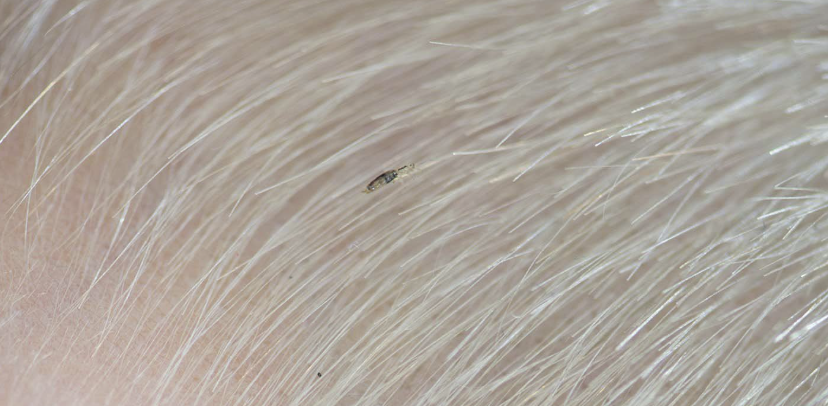
A head louse. Not Politicus opportunistus, but one found on many heads © NHS

If one were to peer through a microscope at Politicus opportunistus, one might encounter a particularly well-adapted specimen clinging to the body politic: the louse known as Richard Lice MP.

Once a denizen of Mayfair boardrooms, this particular parasite is distinguished by its curious migration habits. Unlike ordinary lice, which remain close to the scalp, Lice has long preferred to live offshore – Dubai, for instance, a climate perfectly suited for those who enjoy a low-tax habitat. While ordinary citizens are left scratching their heads at rising bills, this desert-dwelling specimen thrives, feasting on tax arrangements as complex as its host is complacent.

In Parliament, he scuttles around the Reform UK Ltd benches, declaring that Britain has been sucked dry – a daft complaint, given his own parasitic relationship with the nation’s tax base. He speaks of national pride while ensuring he feeds off the nation’s purse. And from his sunlit cranium in the Emirates, Lice likes to lecture on sovereignty, patriotism, and “taking back control.” Control, it seems, is easier to take back when one’s wealth is neatly tucked away somewhere the Inland Revenue can’t quite reach.

Most hypocritical of all, for a creature whose very survival depends on clinging, Lice is obsessed with railing against “invasions.” Lice, after all, are notoriously territorial – forever panicked that another insect might colonise the scalp. Our Dubai-dwelling louse demands that Britain “stop the boats” lest another foreign irritant drifts ashore, all the while wagging a moralising antenna as if devotion to a patch of hair were a noble principle rather than the most basic survival instinct. He has even gone so far as to suggest leaving the European Convention on Hirsute Rights.

One might almost admire the consistency: Richard Lice is against immigration unless it’s his own; against parasites unless he is the one feasting; against tax unless someone else is paying it. He is, in short, the perfect political louse: difficult to dislodge, endlessly irritating, and always just out of reach of a comb.

Like all lice, Politicus opportunistus is difficult to shift once it’s attached. Researchers note that the louse’s call is shrill, repetitive, and almost indistinguishable from that of its closest cousin, Faragius brexitus. There is an ongoing debate among entomologists as to whether these lice actually believe the things they say, or whether they simply feed off whatever scalp happens to be nearest. Either way, they remain well adapted to the UK political ecosystem, where parasitism is not merely tolerated but positively rewarded with airtime on the BBC and GB News.

COPOUT28


In the ludicrous oil-rich city of Dubai, where the towering skyscrapers touch the smog-filled sky, and the cacophony of honking horns and distant sirens fill the air, a rather unconventional protest is underway. In the midst of the grandiose COP28 conference, where world leaders gather, yet again, to discuss the fate of the planet, a swarm of insects have assembled outside Expo City, armed with tiny picket signs and a buzzing determination.

Led by the global insect union Hexapoda, they have rallied what is left of the invertebrate species from all corners of the globe – bees, flies, wasps, butterflies, beetles, and even a few rebellious crickets have either flown, scuttled or hopped in. Their demands are simple: an end to pesticide use, protection of natural habitats, and recognition of insect rights in international law. Their slogans, chanted in unison, are a high-pitched symphony of discontent.

Inside the conference halls, the atmosphere is filled with well-intentioned speeches and promises, each trying to outdo the other with pompous pledges and commitments. The delegates pay lip service to saving endangered species, and protecting ecosystems, blah, blah, blah, even though in the real world, forests are still being decimated, the urban sprawl is expanding, the air is thick with toxins and the dwindling water supply full of sewage.

Amidst closed-door negotiations, a different dance unfolds – one where haggling and bargaining takes centre stage, often prioritising short-term economic gains at the expense of the planet’s long-term health. Beneath the surface of global cooperation lies the subtle art of greenwashing, as self-interest masquerades as a genuine commitment to sustainable practices.

Hexapoda, fuelled by a mix of desperation and determination, decided to send a brave group of representatives to infiltrate the conference. A team of earwigs, dragonflies, and shield bugs embarked on their mission, crawling through the shadows to the main auditorium and onto the podium.

They begin by chirping their role as unsung heroes, vital to the global ecosystem – pollinators, waste decomposers, soil purifiers, and maintaining the delicate balance of nature – arguing that excluding them from the climate talks spells doom for the planet. But before they could finish, a giant hand swooped down and swatted the insects away. The conference attendees scarcely register the disruption, engrossed in annual discussions about carbon emissions, renewable energy, and cutting oil and gas that seldom materialise into action. The buzzing on the podium is dismissed as a minor annoyance, the insect protest relegated to insignificance. A real cop out.

Undeterred by the dismissive response, the insect delegation regroups outside Expo City. Hexapoda, resilient and united, comprehends the enormity of their uphill battle. The conference halls may have stifled their protests, but the struggle for insect rights and environmental justice persists. As night blankets the city, they press on, their tiny picket signs illuminated by fireflies – a persistent commitment to be seen and heard. The high-pitched humming reverberates through the streets of Dubai, drawing the gaze of curious onlookers and passersby.

In the face of relentless indifference, they hope that their unwavering buzz will one day permeate the corridors of power, sparking substantive change for the planet they call home.