
Larval Populism and the collapse of civic habitats

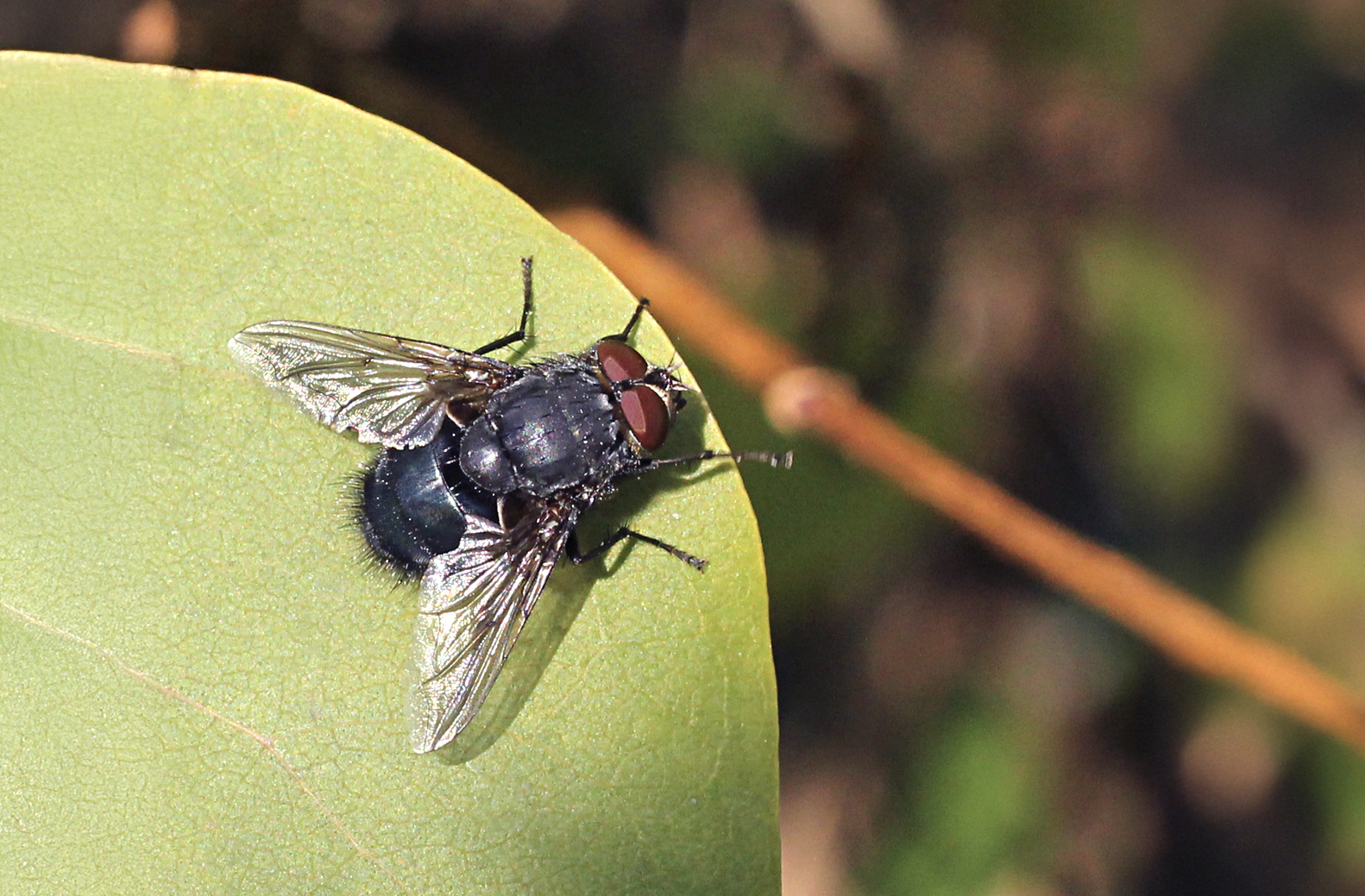
Bluebottle Faragius fauxpatriotus, the airborne charlatan

Ecologists observing orchard life have found that, no matter how complex or diverse insect communities are, they can only thrive in civic habitats where everyone contributes. Bees run the pollen economy, ants oversee infrastructural corridors, and wasps keep a vigilant eye on law and order. Beetle larvae turn rotting wood into communal mulch – the orchard’s tax base – which ensures nourishment for all. And, of course, everyone contributes their nutrient levies. Earthworms are the quiet municipal engineers, tunnelling unseen to aerate and redistribute nutrients; their work is the invisible groundwork, funded by these contributions. These enduring arrangements have long sustained the orchard’s common wealth.

Yet in recent seasons, a disruptive ideology has wriggled out of the compost heap: larval populism. Glorifying rot while denouncing evolution, it promises power to the soft-bodied masses by rejecting the very metamorphosis that sustains the orchard.

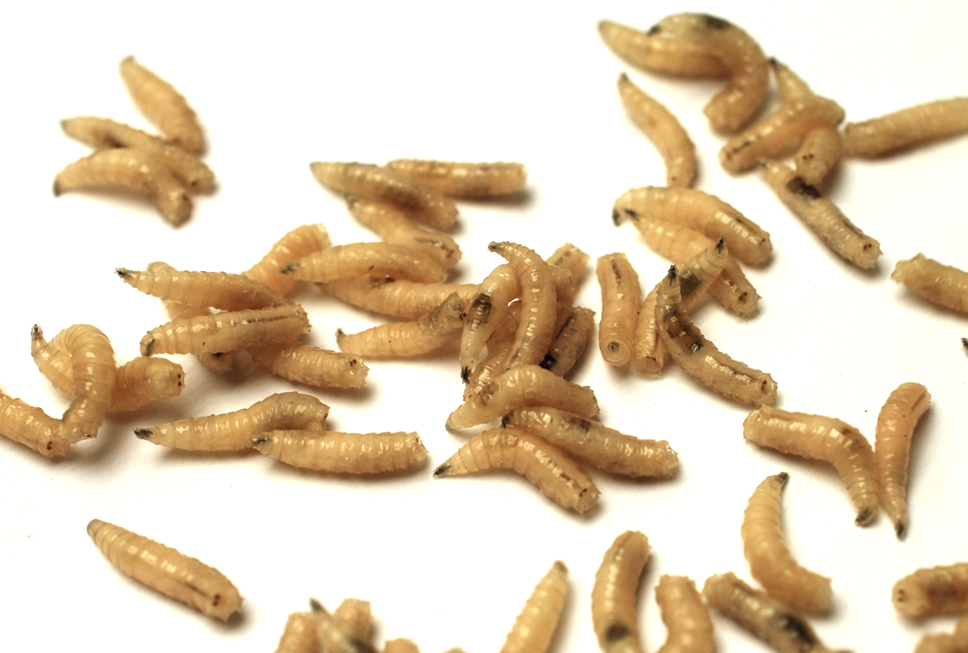
The foremost advocate of this is the grifting Compost MP Faragius fauxpatriotus, a maggot of unimpressive stature. His talent lies not in serving his constituents but in peddling slogans like “The Orchard is Broken” from a pile of decomposing plums. Faragius proclaims larvae to be the native born heirs to the orchard, casting any insect with wings as the enemies of the writhing classes. He denounces the ants as joyless technocrats, the bees as buzzing bureaucrats, and the dragonflies as aerial snobs who “Couldn’t possibly understand the wriggling classes.” “Wriggling is freedom,” he insists, sniggering at their immaturity, while dodging questions about offshore fruit-hoarding and nectar laundering.

Central to Faragius’s rhetoric is the claim that larval voices are being silenced by left-winged elites. He insists that freedom of speech is curtailed by any creature capable of flight, declaring them an existential threat to discourse in the orchard. Every butterfly becomes a symbol of censorship, every drone of a wasp patrol heralds the suppression of maggot opinion, and every shadow of a bird is interpreted as proof of a winged ‘leftie’ plotting against the writhing masses. At the same time, any sign of scrutiny – whether a buzz, chirrup, or tweet – is swiftly silenced. Larvae are urged to wriggle in solidarity, to reject democracy or see their rights as the soil-bound majority – absurdly cast as an oppressed underclass – being squashed.

Meanwhile, as ordinary larvae dutifully pay their compost taxes, Faragius slips his nectar donations through snail-shell companies beyond the reach of orchard auditors. He rails against the bees’ pollen tariffs – the very levies that pollinate the orchard – recasting the simplest civic duty as tyranny. All the while, he fiddles the system, hoarding surplus plums and starving the mulch fund that keeps the soil alive.
A movement of maggots, mistaking decay for destiny

What his anti-wing hyperbole fails to mention is one simple biological fact: larvae are meant to metamorphose. Reform is the very meaning of metamorphosis. Yet larval populism glorifies permanent immaturity. It nurtures extreme nationalism built on simplistic soundbites perpetuated by algorithms, and fake patriotism to a pile of rotting fruit in a biodiverse orchard. By persuading his maggot base to resist change, Faragius denies them the opportunity of social mobility – the chance to spread their wings. In mobilising them to dismantle their own civic habitats, he invites ruin: ant hills will crumble, nectar networks will falter, disorder will spread, and the orchard will collapse in ideological chaos.

The irony is inescapable. Faragius fauxpatriotus will pupate, but not into the butterfly of vision he so desperately dreams of. He will emerge as a common blow fly – buzzing frantically against windows, mistaking invisible barriers for conspiracies, and still dogged by nectar debts and phoney “consulting services”. Reform UK Ltd exposes the absurdity of larval populism: a flag-waving maggot-led mob, blind to how the orchard actually works, doomed to watch its leader’s pitiful metamorphosis into the airborne charlatan he really is.
Richard Lice: The Parliamentary Louse

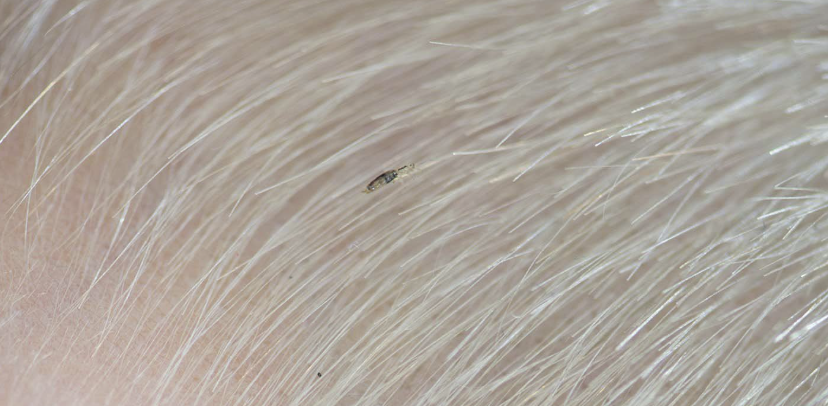
A head louse. Not Politicus opportunistus, but one found on many heads © NHS

If one were to peer through a microscope at Politicus opportunistus, one might encounter a particularly well-adapted specimen clinging to the body politic: the louse known as Richard Lice MP.

Once a denizen of Mayfair boardrooms, this particular parasite is distinguished by its curious migration habits. Unlike ordinary lice, which remain close to the scalp, Lice has long preferred to live offshore – Dubai, for instance, a climate perfectly suited for those who enjoy a low-tax habitat. While ordinary citizens are left scratching their heads at rising bills, this desert-dwelling specimen thrives, feasting on tax arrangements as complex as its host is complacent.

In Parliament, he scuttles around the Reform UK Ltd benches, declaring that Britain has been sucked dry – a daft complaint, given his own parasitic relationship with the nation’s tax base. He speaks of national pride while ensuring he feeds off the nation’s purse. And from his sunlit cranium in the Emirates, Lice likes to lecture on sovereignty, patriotism, and “taking back control.” Control, it seems, is easier to take back when one’s wealth is neatly tucked away somewhere the Inland Revenue can’t quite reach.

Most hypocritical of all, for a creature whose very survival depends on clinging, Lice is obsessed with railing against “invasions.” Lice, after all, are notoriously territorial – forever panicked that another insect might colonise the scalp. Our Dubai-dwelling louse demands that Britain “stop the boats” lest another foreign irritant drifts ashore, all the while wagging a moralising antenna as if devotion to a patch of hair were a noble principle rather than the most basic survival instinct. He has even gone so far as to suggest leaving the European Convention on Hirsute Rights.

One might almost admire the consistency: Richard Lice is against immigration unless it’s his own; against parasites unless he is the one feasting; against tax unless someone else is paying it. He is, in short, the perfect political louse: difficult to dislodge, endlessly irritating, and always just out of reach of a comb.

Like all lice, Politicus opportunistus is difficult to shift once it’s attached. Researchers note that the louse’s call is shrill, repetitive, and almost indistinguishable from that of its closest cousin, Faragius brexitus. There is an ongoing debate among entomologists as to whether these lice actually believe the things they say, or whether they simply feed off whatever scalp happens to be nearest. Either way, they remain well adapted to the UK political ecosystem, where parasitism is not merely tolerated but positively rewarded with airtime on the BBC and GB News.

Political Wriggling

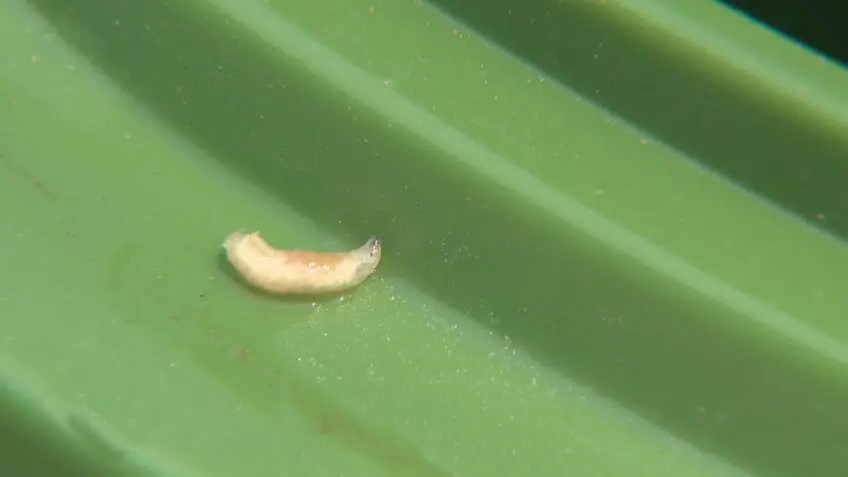
In a wheelie bin in Lydd, there lives a rather odd maggot named Nigel Fraaage. Nigel is no ordinary maggot; he has a penchant for wriggling into the most controversial places and stirring up a storm in the garbage heap of politics.

Nigel was born in the compost bin of conservatism, surrounded by the decaying remnants of outdated ideologies. From a young age, he showed an uncanny ability to thrive in the filthiest corners of political discourse. His ambition is as boundless as the landfill he calls home.

Nigel has a talent for convincing other maggots that the best way to address their problems is to blame it all on the bluebottles. “Those flies are taking away our opportunities to feast on the rubbish of our choice!” he exclaims, his maggoty followers nodding in agreement, utterly oblivious to their own inevitable transformation into flies.

Fraaage’s rise to prominence is fuelled by his ability to tap into the fears and insecurities of his fellow larvae. He promises them a utopia where they can freely devour whatever putrid thoughts they desire without interference from insects in the ‘Woke Brigade’. His rallying cry echos through the compost bin: “Let’s Make Garbage Great!”

His uncharismatic speeches are not without their share of controversies. He once claimed that the decline in compost quality was due to the influx of earthworms taking up space that rightfully belonged to maggots. He proposes sending the worms back to where they came from, conveniently omitting the fact that worms play a vital role in breaking down the compost and enriching the soil.

As Nigel gains popularity, he attracts a swarm of loyal supporters who hang on to his every wriggle. They proudly don “Reform the Compost Bin” t-shirts and wave Union Jacks adorned with slogans like “Maggots First.” They pretended not to see him eat a fellow maggot for a vast sum of money on his foray into the jungle on ‘I’m a Celebrity…’, proving just how insincere his feelings towards his supporters really are.

However, Nigel’s grand plans to rule the compost bin were thwarted when a group of enlightened woodlice exposed the flaws in his agenda and highlighted the importance of diversity in the ecosystem. The compost bin inhabitants, finally realising that blaming the flies or the worms was not the solution, turned their attention to creating a more inclusive and sustainable environment.

As Nigel wriggles back into the spotlight from where he came, leaving behind a cautionary tale about the dangers of following a maggot with a misguided agenda. But beware, as the climate heats up and the mountain of garbage grows ever bigger, the political wriggling will only become more pronounced.