Little helicopters

Yesterday there was a guy flying his remote-controlled helicopter in the park. It whizzed around making a whirring sound high above the trees. It reminded me of the drone cameras which were popular with the rallyers at this years launch of the Mongol Rally in Battersea Park, where it seemed everyone had one and were avidly flying them over the start line – a birds eye view of the 220 cars lined up ready for a mad adventure. I can’t wait to see aerial footage of the Mongolian steppes and the finish line in Ulaanbaatar. Back in Warwick Gardens the helicopter wasn’t the only thing flying around – dragonflies were showing off their spectacular aerodynamics by swooping and chasing one another around the park.

Migrant hawker

Migrant hawker

It is a good year for dragonflies as southern hawkers, migrant hawkers, a black-tailed skimmer and a broad-bodied chaser have all decided to pay a visit. I like dragonflies as they are such a prehistoric insect that has evolved into a lean, mean flying machine which can fly six ways: forwards, backwards, up and down, side to side, and hover, with an average flying speed of 22-34 mph. That is some achievement and showed up the rather weak limitations of the remote controlled helicopter which could only go up and down and forwards and backwards and somewhat slower!

Black-tailed skimmer

Black-tailed skimmer

Dragonflies start their lives as nymphs in water and are ferocious predators devouring other invertebrates, tadpoles and small fish fry. They can be at the larval stage for five years but most are ready to emerge as adults after three years. When ready they crawl up a plant or reed stalk and emerge from their larval skin. The adults feed on midges and flies.

Broad-bodied chaser (female)

Broad-bodied chaser (female)

The word dragonfly has its source in the myth that dragonflies were once dragons. To the Japanese, dragonflies symbolise summer and autumn and are respected so much that the Samurai use it as a symbol of power, agility and victory. In China, people associate the dragonfly with prosperity, harmony and as a good luck charm. For Native Americans, they are sign of happiness, speed and purity. A somewhat different attitude in Europe has the dragonfly classed as a witches animal sent by Satan to cause chaos and confusion with names like Ear Cutter, Devil’s Needle, Adderbolt and Horse Stinger. In Sweden, folklore suggests that dragonflies sneak up to children who tell lies and adults who curse and scold, and stitch up their eyes, mouth, and ears. The Welsh call the dragonfly the snake’s servant and think they follow snakes and stitch up their wounds, and in Portugal be aware as they think of them as eye pokers and eye snatchers. In Peckham we prefer just to call them dragonflies or as the little boy, who was standing next to me watching them in awe, called them – little helicopters.
Fly of the day: Bee-fly

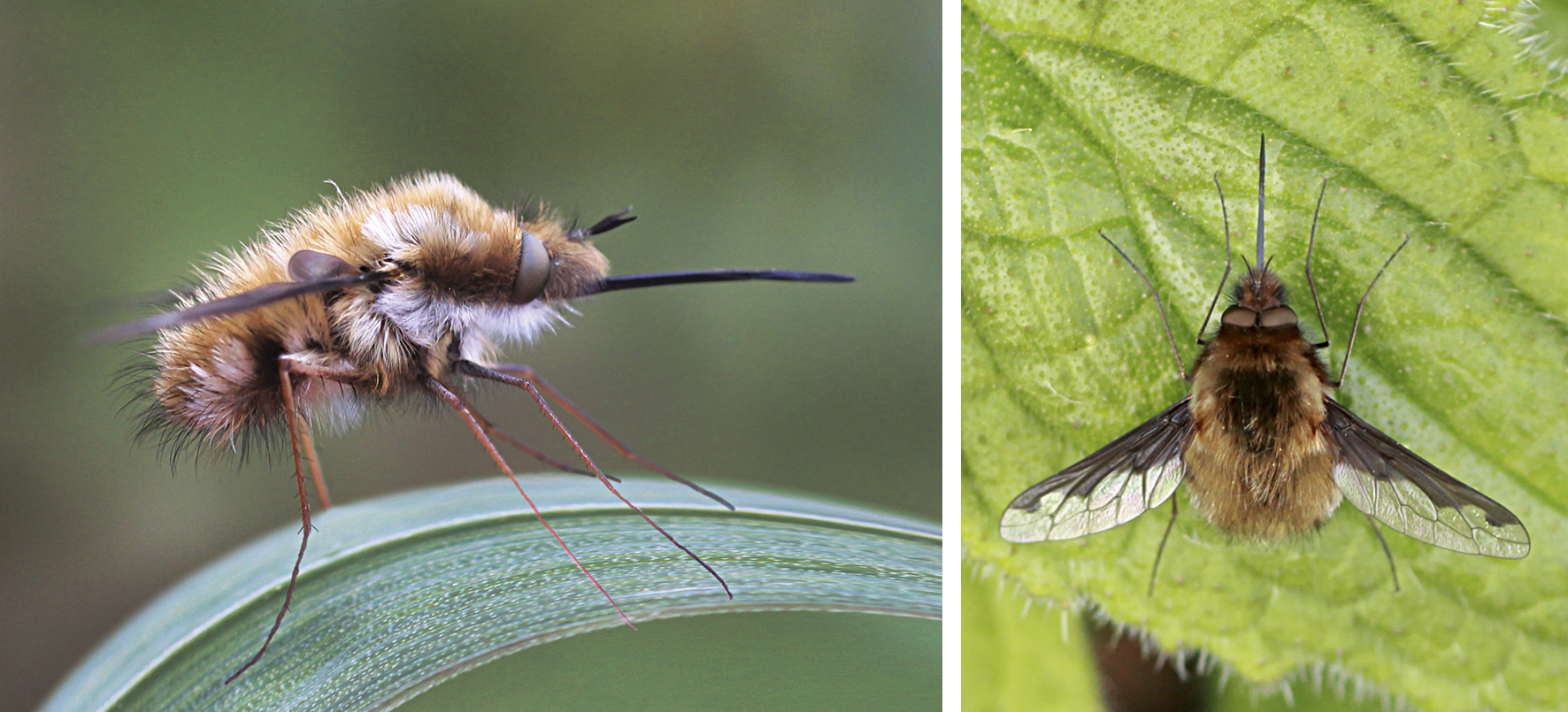
Large bee-fly Bombylius major

Dark-edged bee-fly Bombylius major

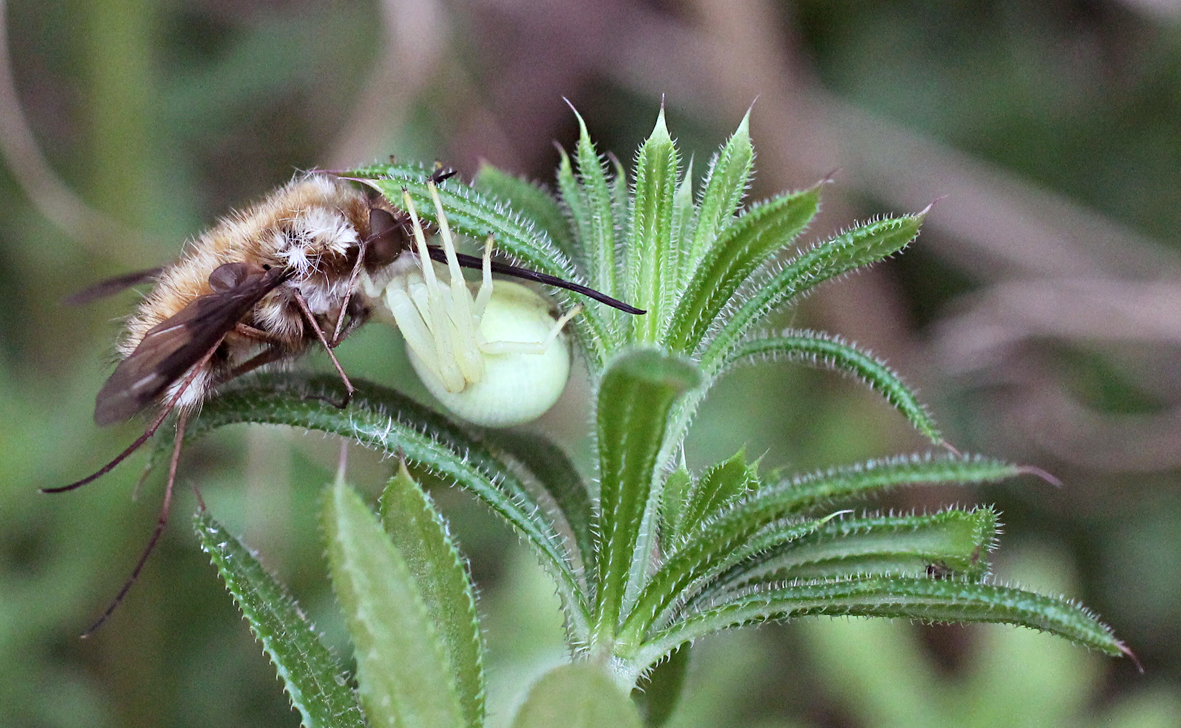
Spring is finally here. Flowers are blooming and the recent warm weather has brought out the hairy-footed flower bees, the queen bumblebees, an assortment of solitary bees and the bee-fly. The bee-fly Bombylius major is a comical looking insect – a fluffy body, long proboscis and long spindly legs – and can be seen daintily hovering around Warwick Gardens. A bumblebee mimic, they are the one insect that is most enquired about on the East Dulwich Forum… ‘What is it… is it a bee?’ What is that weird looking insect?’. Its a bee-fly.

They have a preference for low growing flowers. In Warwick Gardens they feed on green alkanet, whereas in Peckham Rye Park you will find them enjoying the grape hyacinth in the ornamental garden. Although they are cute-looking their larvae tell another story. They parasitise larvae of solitary wasps and bees. Female bee-flies predate mining bees by dropping their eggs from the air in Dambuster style, or by flicking their eggs into the tunnels of bee nests. Once in the tunnel, the egg hatches and the larvae find their way into the nests to feed on the grubs. Bee-flies are out and about until June, unless they come to an unfortunate end at the jaws of a crab spider!

Death by crab spider

Death by crab spider


Busy bees

Hairy-footed flower bee Anthophora plumipes

Hairy-footed flower bee Anthophora plumipes

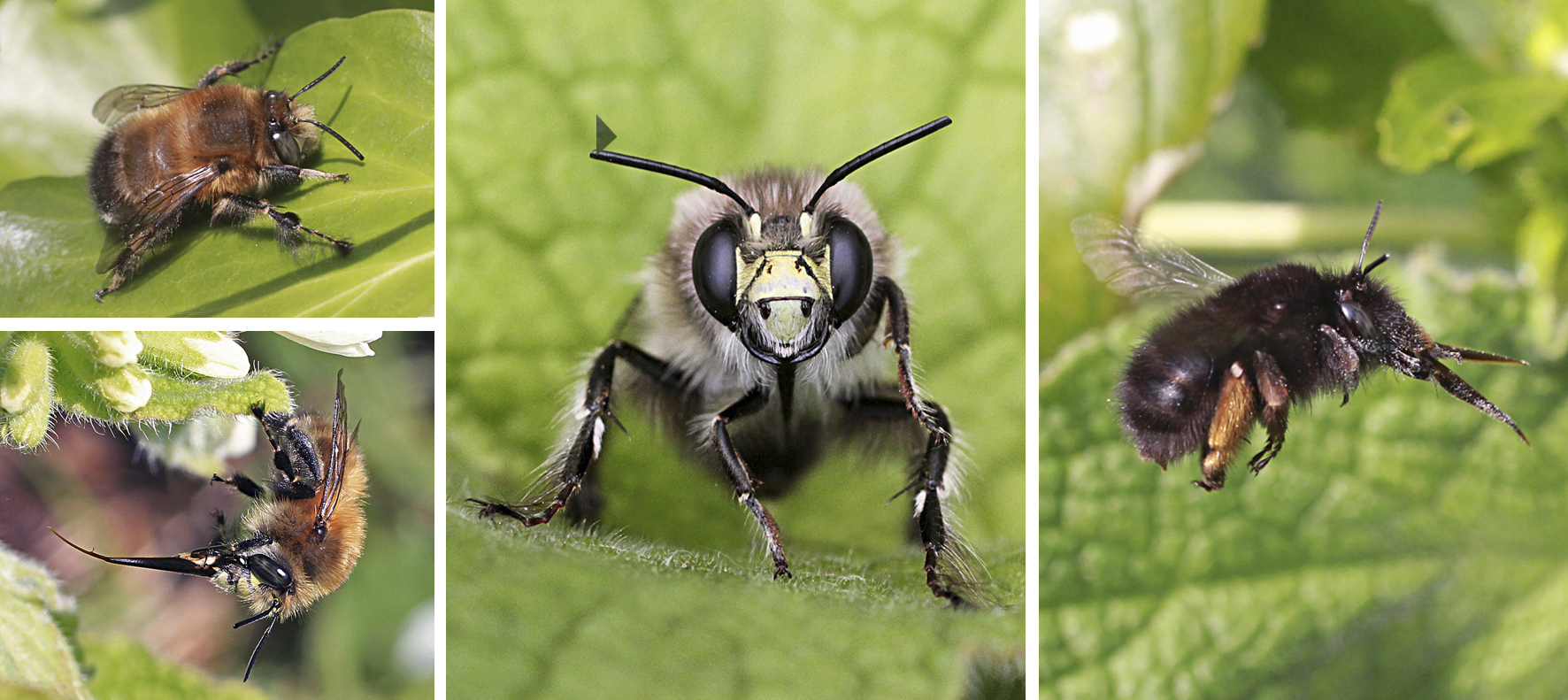
Nothing heralds the coming of spring more than the arrival of the hairy-footed flower bees in Warwick Gardens. They are my favourite solitary bee and I am sure the tag ‘busy bee’ was coined to describe these delightful insects. Whilst the queen bumblebees are lumbering around, and the honey bees are slowly waking up in their hives, Anthophora plumipes are out and about grasping life in their own inimitable way. Often confused with the Common carder bee Bombus pascuorum, they are distinguishable by their hairy legs, cream face and distinctive hovering movement when approaching flowers, often with their long tongue outstretched. The boys fly out first, all gingery-brown and new, full of verve and big personality. They are very inquisitive – checking every flower with a joyful confidence, stopping to hover and have a look at other insects, even having a nosy at the photographer sitting in the bushes! They are zippy bees, darting from flower to flower and chasing after each other along the borders of the park. The females appear a couple of weeks later and are all black except for bright orange hind legs. Easily mistaken for the female Red-tailed bumblebee Bombus lapidarius, they are usually seen gathering pollen at a more leisurely pace and being pursued by male bees. They nest in the ground or the soft mortar of walls and every year I look for a nest to no avail! Although their favourite flower is lungwort ours have a preference for the comfrey patch in the park. The hairy-footed flower bee could well be one of our main urban spring bees as they are frequently found in gardens, parks and allotments.

Melecta albifrons

Melecta albifrons

Melecta albifrons

Every bee has a cuckoo who goes into the hosts’ nest and lays it eggs. The hairy-footed flower bee is no exception – it has the cuckoo bee Melecta albifrons invading its nest. This is a rather awkward-looking bee with a stumpy face and a pointed abdomen and a flying pattern which is fast and almost zigzag. They are mainly brown and black but black forms are also found, probably mimicking the female Anthophora plumipes. They appear slightly later in the spring once the hairy-footed flower bees have laid their eggs.

Hedge funds and losses

I have always thought that funds should be made available for creating more hedges. In Britain we have lost many of our native hedgerows – mainly due to modern methods of monoculture farming and under-management – contributing to sharp declines in bird and mammal populations. Native hedgerows are important habitats supporting lots of wildlife, and act as barriers against soil erosion and flooding. In our parks planting tends to be prettified with non-native species, and our gardens are partitioned to the inch with wooden fences, chicken wire or brick walls. True, you can recreate a hedge by trailing plants up these vertical man-made dividers but they are poor substitutes for the real thing – living, breathing, chunky, organic hedgerows complete with tangles, twigs and hidey-holes for nesting birds and mammals to take shelter in.

Red-tipped clearwing, nettle and spear-thistle lacebug

Red-tipped clearwing, nettle bug and spear thistle lacebug

In Warwick Gardens funding is being spent on planting a native ‘edible’ hedgerow along the railway side of the park. This excites me as that area has always been a bit sparse when it comes to variable vegetation, and being north facing and surrounded by trees also rather dark, so this will introduce new species into the mix. The Conservation Volunteers have already prepared the ground and waiting to plant; plum and wild pear, hawthorn, wild rose, honeysuckle and gooseberry are among the proposed newbies arriving. But there are some losses: the huge bed of nettles supporting nettle bugs and spiders; a large buddleja bush which suffered poisoning when Railtrack poured chemicals on the Japanese knotweed, but had struggled on to live up to the heights of its common name the butterfly bush, has been clipped right back; an overgrown bramble, which had also been poisoned but fought back to yield very large blackberries, and was a perfect hiding place for sawflies. I will miss the patch of black horehound which has kept a family of wool-carder bees happy for the past couple of years, and dashed my hopes of finding Pied shield bugs. And I will miss the thistles. These kept me glued to the flowers in August when I could guarantee to see my favourite digger wasp Cerceris rybyensis feasting on nectar along with small blues, ruby-tailed wasps, Braconid wasps, bumble and honey bees, and tiny spear thistle lacebugs nestling amongst the spiky leaves. One year a red-tipped clearwing moth visited, causing commotion in the London moth world as they are seldom seen in urban areas. Thankfully the large hawthorn has been left untouched, with added bushes to follow, as last year I found box bugs – a first for Warwick Gardens – and I am hoping to see them again this year.

Even though we will have to wait a while before our hedgerow establishes itself I look forward to seeing what invertebrates decide to move in. Will I add to my species count? Warwick Gardens already has a remarkable reputation for attracting ‘interesting’ insects and I am sure we will be welcoming more. In the meantime I am going to try and relocate the thistles to the other side of the park.

Mosquitoes in Peckham

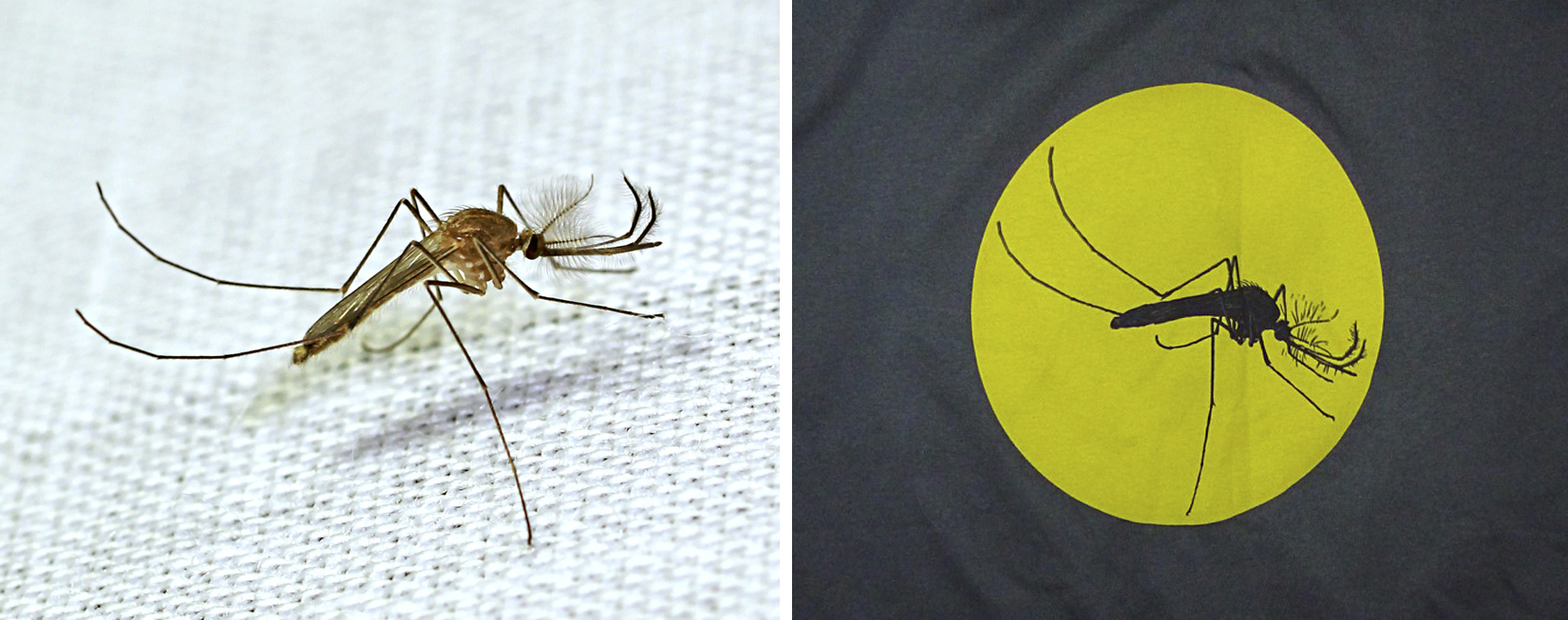
Its nearly Christmas and for those of you still desperate to find a present for that long-lost cousin who is threatening to turn up at your house on Wednesday morning you could do worse than purchasing a Mosquito t-shirt.

Mosquito and Lou's screen print

Mosquito and Lou’s screen print

These lovely t-shirts are hand screen-printed by Peckham-based designer Lou Smith at Captured on the Rye, from a photo taken at the Peckham Moth Night in Warwick Gardens in August. This is the perfect present for people who annoy you! And presents for the people you love? Check out his bumblebee, wasp, ant and crow designs… they are sublime.

A winning bee

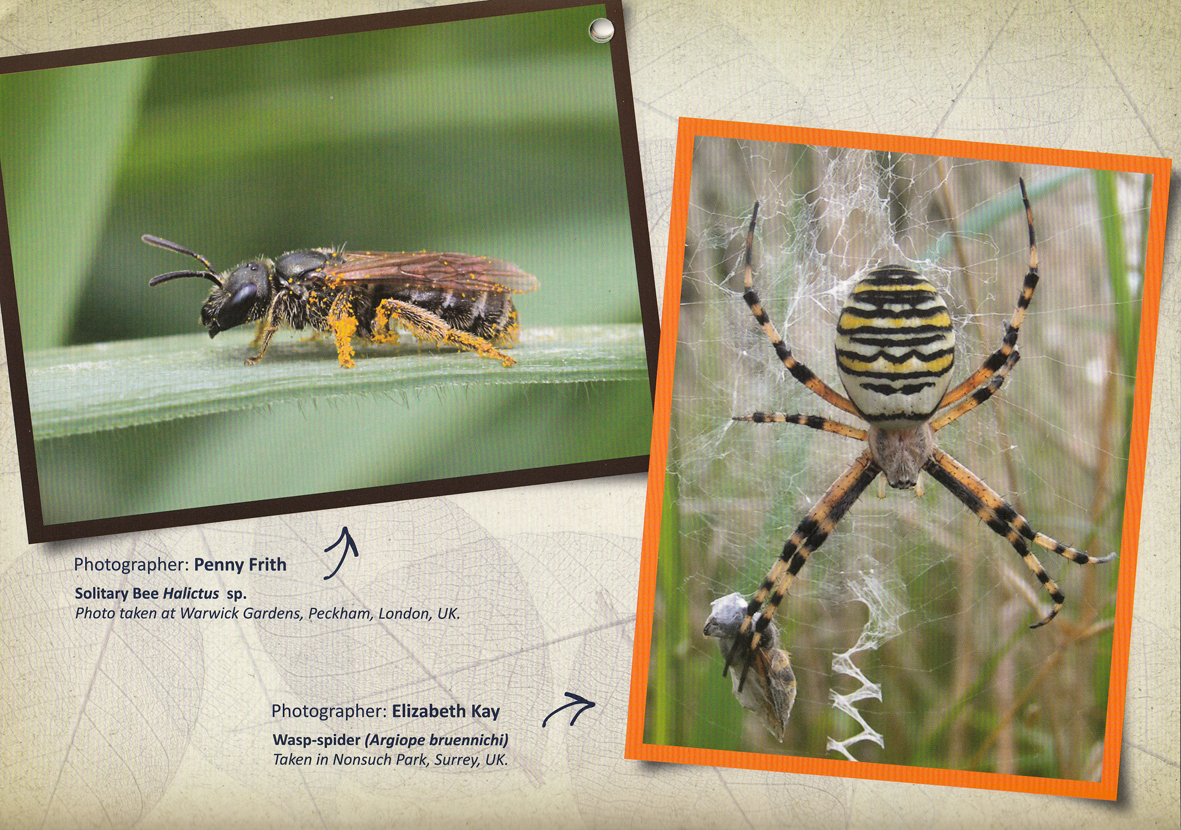
My Buglife calendar arrived today. I was super keen to look at it as it contained all the winners of the Buglife Photography Competition. One of my bees was a winner – the photo I took of an Halictus sp bee sitting on a blade of grass in Warwick Gardens won a ‘Highly Commended’. It represents the month of May and shares the space with a lovely Wasp-spider taken by Elizabeth Kay.

The month of May

The month of May

The competition was held on Flickr and Buglife asked people to join their group and post their photos. This is amateur photographer territory – and to me the essence of passionate wildlife photography. What I liked about this competition was the free-for-all feel to it – and was open to everyone who had taken a picture of an insect in the UK. Invertebrates rarely win photo competitions – I think judges overlook the skill it takes to hone in on a tiny winged insect with compound eyes and take a photo before it flies off. Most wildlife photography awards nod to birds and mammals and the capture of the ‘perfect moment’ of a whale jumping out of the sea or a lion about to jump a gnu, and usually demand a payment to enter. Many of us don’t have the equipment to take such stunningly perfect photos or the time and money to visit the exotic locations to see the wildlife that usually win these competitions, let alone the entrance fee to enter. Some of us just have cheap cameras and limited habitats. Having had a look through the 1300 images that had been submitted I was stunned at the quality of photos. All the more reason to celebrate my win! As a graphic designer working in the world of urban conservation I spend a lot of time on Flickr looking for wildlife images to include in my designs, and I find some of the best photos are taken by people who don’t class themselves as ‘photographers’. They have a passion for their subject – be it badgers, birds or bumblebees. The Buglife calendar reflects this passion and has sawfly larvae, ant-lion, snails and slugs and cockchafers, and Chris Dresh’s stunning winning photo of a Raft-spider catching a Golden-ringed dragonfly. Marvellous. Congratulations to all the winners, and to Buglife for hosting a great competition.

The Buglife calendar is for sale from their website. A perfect christmas present. You can order one here: Buglife Calendar

http://uknhb.blogspot.com

Master of disguise

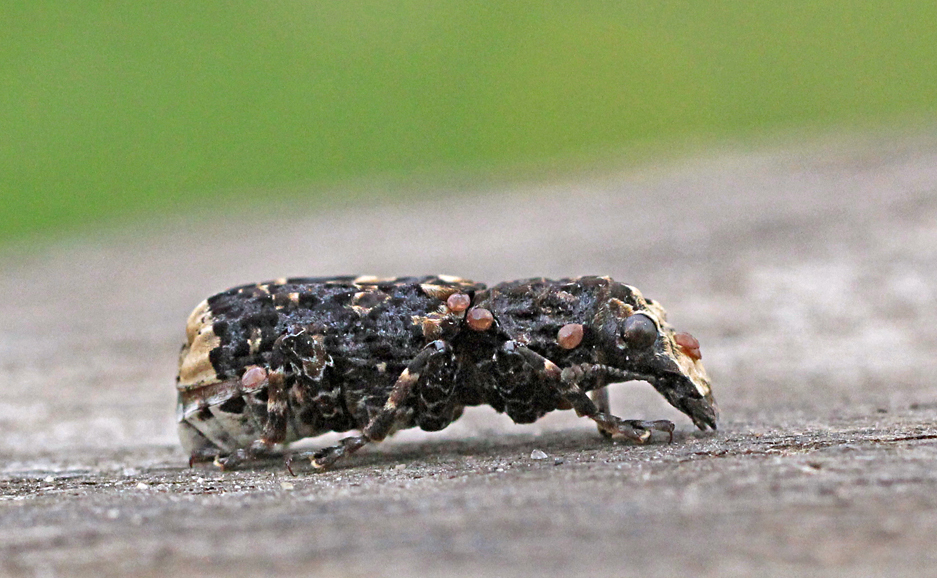
Scarce fungus weevil Platyrhinus resinosus, with mite infestation

Scarce fungus weevil Platyrhinus resinosus, with red mite infestation

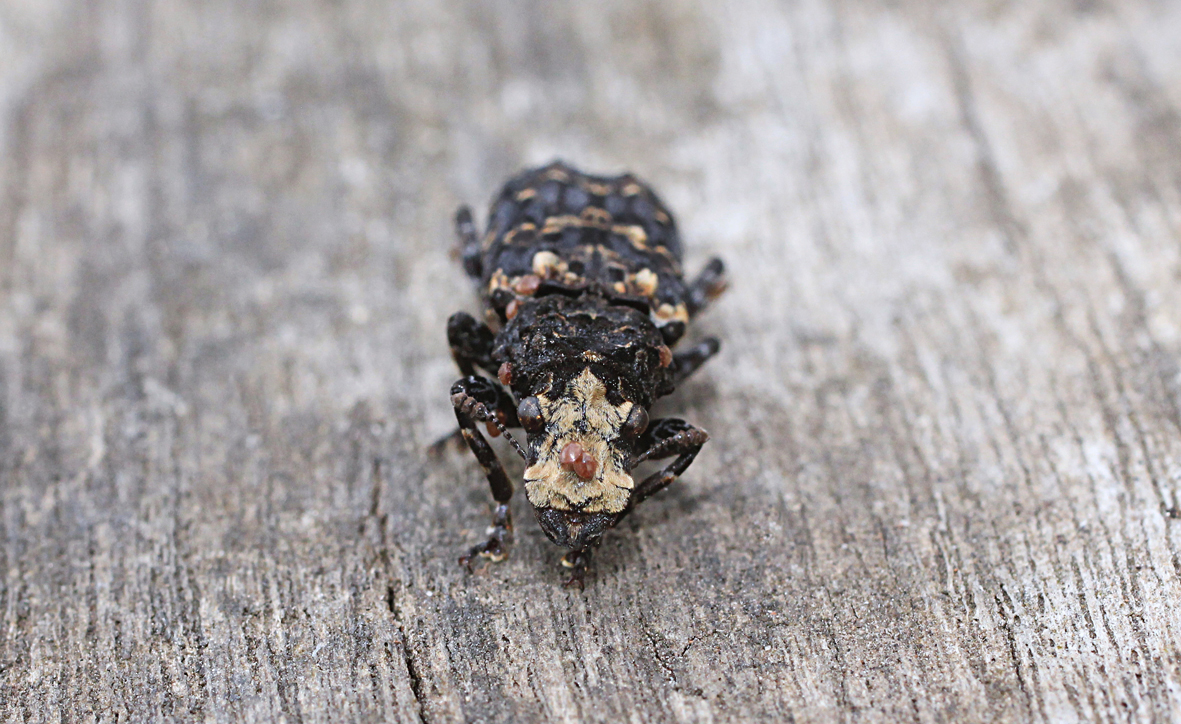
Every so often some rather interesting species appear in Warwick Gardens. I have already talked about the Mosaic leafhopper and the Mottled shield bug, but nothing quite prepared me for finding a Scarce fungus weevil. I like thumbing through guide books to insects – I have a wish list of species I’d like to see: Green tiger beetleMole cricketPuss moth caterpillar and the Scarce fungus weevil which looks remarkably like a broken twig or a bird dropping. Last summer I was sitting on one of the logs munching a packet of crisps when something caught my eye. It looked like twig… and it moved. Closer inspection revealed two eyes, six legs and a short snout covered in fine hairs. It was the most unusual weevil I had ever seen, and as for looking like something else to ward off predators, a true master of disguise.

Scarce fungus weevil

Scarce fungus weevil (front view)

True weevils are small beetles that have a reputation as pests. Fungus weevils belong to a small group of weevils from the Anthribidae family – their antennae are not ‘elbowed’ as in true weevils and are usually larger. The larvae of the Scarce fungus weevil, or Cramp-ball fungus weevil as they are also known, develop inside the dark balls of the Cramp-ball fungus, or King Alfred’s Cakes, which grows on the dead wood from ash trees. This fungus is easily identified as it resembles burnt cakes. The adult weevil feeds on the wood around the fungus. When disturbed they tend to fold their legs in and fall to the floor, where they look just like a bird dropping. It is listed on the National Biodiversity Network’s Gateway as being ‘Nationally Scarce’ and comes under the category ‘Notable B’ which means it is uncommon in the UK. In fact there are hardly any records of it in London so all the more reason to celebrate its presence in Peckham! How it got here is a mystery – I would have expected to find it in woodland, somewhere like Sydenham Hill Wood or Nunhead Cemetery, but no records exist there either. As for possible reasons to be in Warwick Gardens – there are two ash trees in the park and one in a garden that backs onto the park. And the log seating is dead ash where there is plenty of fungus growing. I will be looking out for Cramp-balls.

The current concerns about ash dieback disease are worrying when it comes to the survival of Scarce fungus weevil. As they rely on dead ash, if the dieback continues there will eventually be no new trees and subsequently no dead wood to feed on. Symptoms of ash dieback must be reported to the Forestry Commission. You can do this here: Tree Alert

Shades of grey

Bellenden Road, or ‘Bellenden Village’ as it is now known, is turning grey. It seems the local shopkeepers have got hold of a job-lot of grey paint and are liberally splashing it over their shop fronts – Flock & Herd the butchers, Anderson & Co the cafe/deli, General Store which sells artisan food items, Bias the boutique (who have added a hint of blue to their grey), and now the local Payless who have decided to change their name to Village Grocer and paint the frontage… grey. Delving into the world of paint colour swatches these greys have fancy names: Urban Obsession, Brushed Clay, City Break, Night Fever, Blizzard… None, though, are called ‘Woodlouse’.

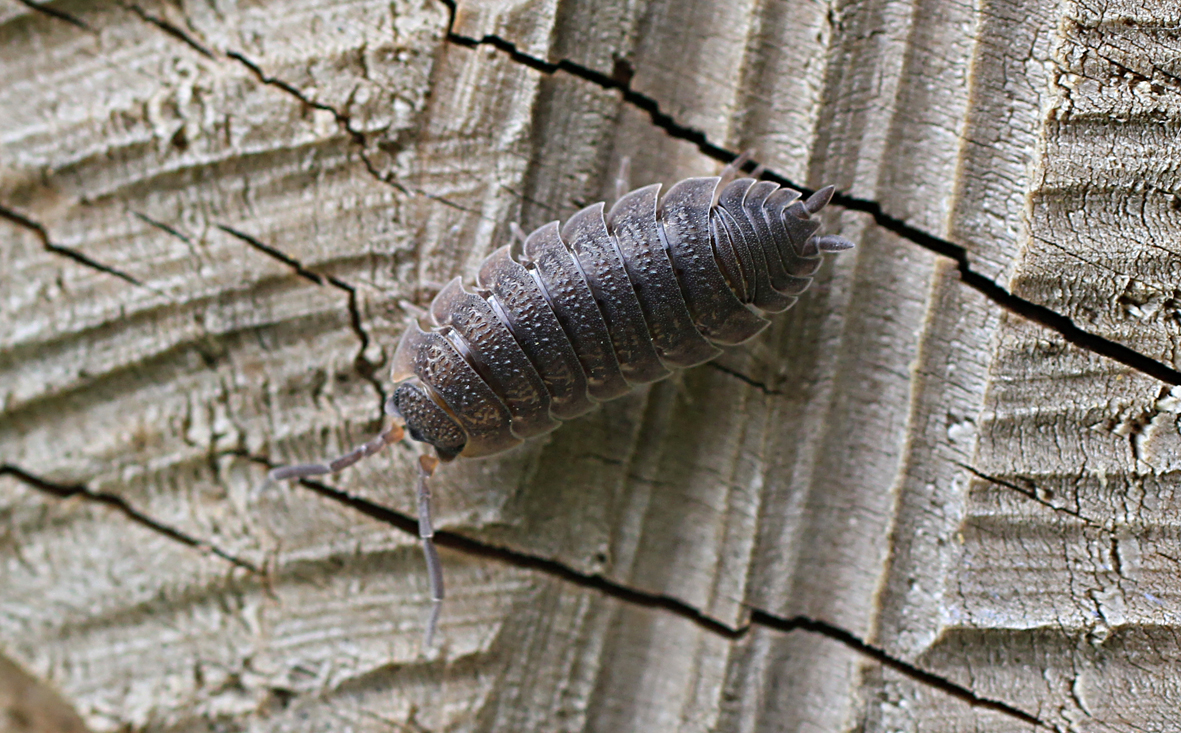
Common woodlouse Oniscus asellus

Common rough woodlouse Porcellio scaber

Woodlice are numerous in Warwick Gardens. These little crustaceans play an important role in our ecosystem breaking down wood and leaf matter. The best place to find them during the day is under logs where they share their habitat with other mulch munchers such as earwigs and worms, as well as in wall and bark crevices. They emerge at night to feed and socialise. The rough woodlouse is typically dark grey with irregular patches in lighter shades of grey and is covered in tiny tubercles giving it a rough and non-shiny appearance. Woodlice are one of the few crustaceans that live permanently on dry land. 

Woodlouse spider

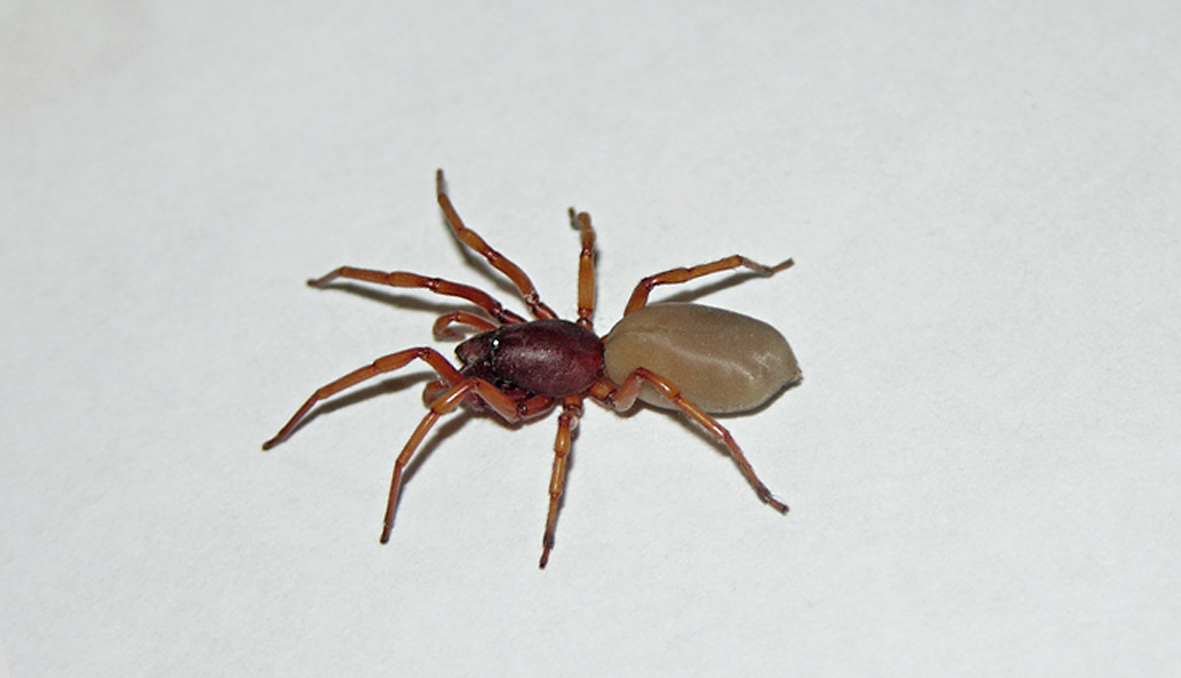
Woodlouse spider Dysdera crocata

Woodlice have many natural predators, forming a large part of the diet to some creatures and an occasional snack to others. Common shrews are know to consume vast numbers of woodlice. Hedgehogs, toads, frogs and newts also eat them and foxes are known to include them in their diets. Its most fearsome adversary is the Woodlouse spider Dysdera crocata, seizing woodlice in it’s pincer-like jaws and injecting them with a poison that kills in a few seconds. Its also one of the ugliest spiders I have ever seen!

Mottley crew

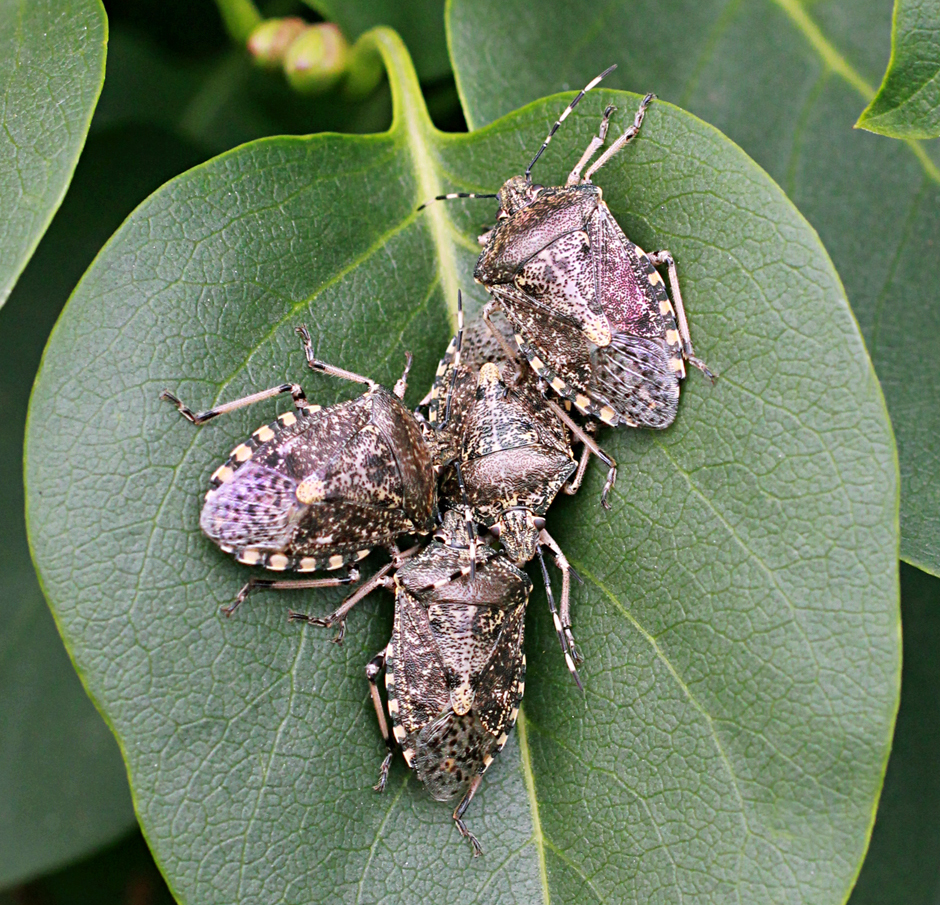
Mottled shield bugs Rhaphigaster nebulosa

Mottled shield bugs Rhaphigaster nebulosa

Its autumn and my Mottled shield bugs have gone into hibernation. I say ‘my’ because I have become quite attached to them! Warwick Gardens has a healthy population of these bugs – very surprising as Rhaphigaster nebulosa was only discovered in Britain from the London area in 2010. Originating from mainland Europe I am rather chuffed they choose to live in such abundance in Peckham.

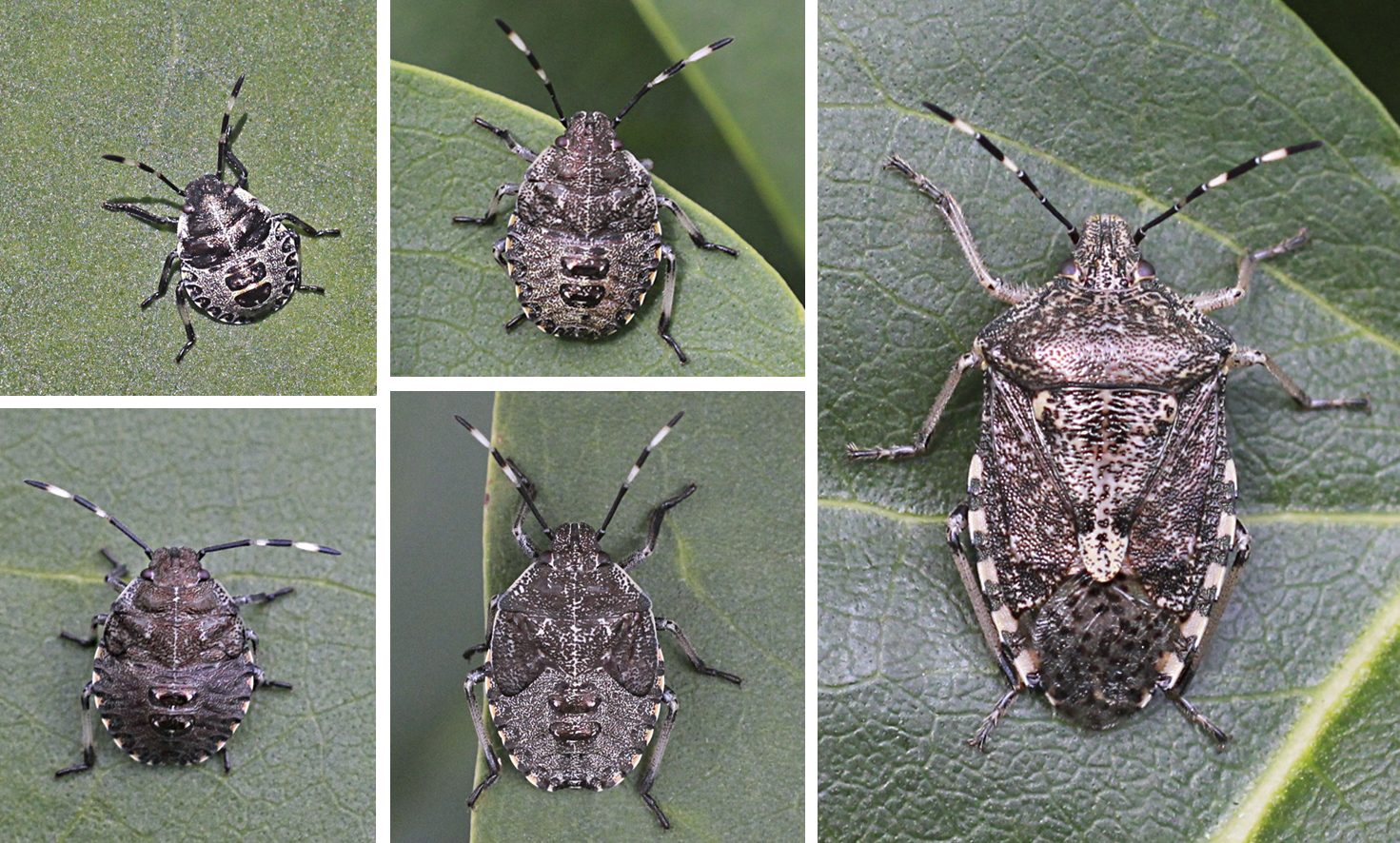
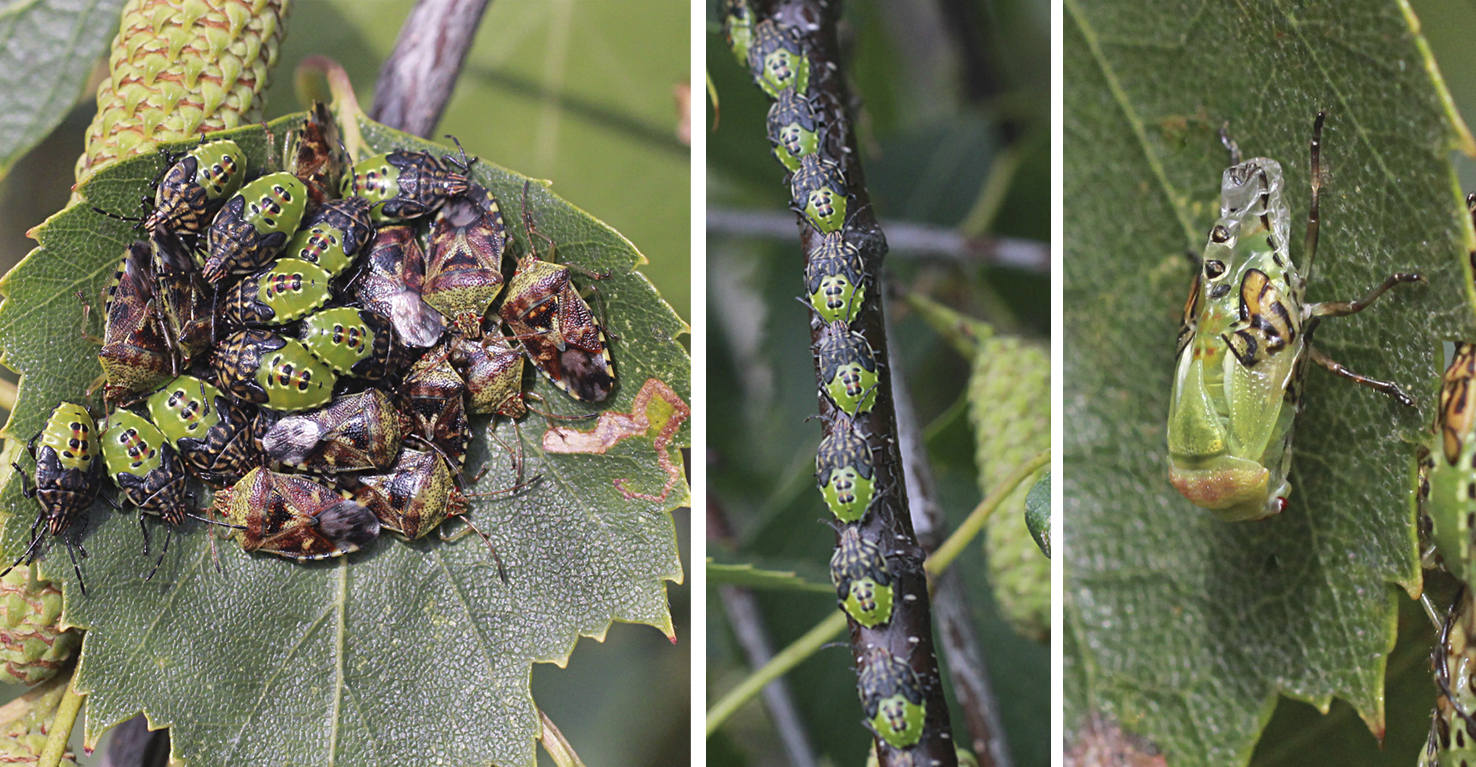
They appear in summer as nymphs. My first sightings of them were in 2011, sunning themselves on a lilac bush, and every August I wait for them to appear on the same bush. Photographs don’t do them justice. Coloured a mottled bronzy-grey, with a hint of pink when the sun catches them, they are like little gleaming medals. And their banded antennae which wave around when alarmed give this shield bug added cute personality. As with all shield bugs the nymphs go through several instars before the final moult into adulthood. This year I counted 19 nymphs, mostly on the lilac but a couple had strayed to an oak tree further up the park. They have a tendency to suddenly pop out from under a leaf to bask, especially when the sun comes out after the rain.

Early, mid and late instars, and adult Mottled shield bug

Instar progressions, and adult Mottled shield bug

I have yet to find out on what plant they feed – on the continent they feed on the sap of deciduous trees. The only trees in the vicinity are ash, birch, oak, hazel and lilac, so the host plant is up for debate and needs more studying. Maybe we need to understand how they came to London, whether it was through the garden centre route or via the Channel Tunnel in foliage swept along the train lines, and if they have adapted to a new diet. The females lay clusters of small, barrel-shaped eggs on the undersides of leaves, so my mission next year is to look for these. For now my adult mottled shield bugs have disappeared into the undergrowth to hibernate, taking their secrets of adaption with them. I can’t wait until next August.

New neighbour, new bee

A few weeks ago I got told off by my new neighbour for playing music too loud –  at 5pm on a Saturday afternoon. The following week he threatened to call the police on the guy who lives below me for playing his music too loud – at 3pm on a Saturday afternoon. Surely a futile exercise – I am sure the police have better things to do on a Saturday afternoon than answer a call about loud music in Peckham! All this has unsettled me. I don’t play my music that loud and not that often so his claims about the “walls continuously shaking and my pictures are coming off the wall” didn’t quite compute to my sporadic soundtrack of Serbian accordion music. I expect a bit of noise in Peckham – its what makes this area such a colourful and vibrant place to live. If you want a quiet life move to Nunhead. My point to him was about tolerance – barging into a new area and trying to call the shots is not going to earn you many friends.

Ivy bee Colletes hederae

Ivy bee Colletes hederae

A much more welcome newcomer to Peckham is the Ivy bee Colletes hederae. A handsome solitary bee, it feeds on ivy (Hedera) hence its name. Bee enthusiasts everywhere have been on the look out for it as it is a relative newcomer to the UK, and sightings in London have been scarce. A real quest, especially looking for a stripy insect amongst all the other stripy insects flying around at the moment. Richard Jones has written an informative article on Ivy bees, though I have beaten him to a local discovery by finding one in Warwick Gardens. The three large ivy bushes in the park are blooming – they flower in sequence, about three weeks apart. At the moment the middle bush is where the action is. The other striped insects wasps, honey bees and hoverflies are swarming all over it, excited by the nectar available on tap. And the noise! The buzzing is loud and frenzied and sounds remarkably like a distant helicopter. Amongst all this commotion is where I found our ivy bee, quietly feeding. I hope its not going to complain about the noise!

The Bees Wasps & Ants Recording Society (BWARS) are currently mapping the ivy bee. If you do see one please report it on their monitoring page: Colletes hederae mapping project

Web masters

One of my favourite novels when I was young was Charlotte’s Web by E. B. White. An endearing story of a pig named Wilbur and his friendship with Charlotte, the spider who could spin messages in her web. I yearned to find a Charlotte of my own, a spider who could show me the way to eternal enlightenment through messages in silk. Nowadays it is the webmasters of the internet that dictate my search for truth through HTML.

Common garden spider, Araneus diadematus, wrapping a bluebottle fly.

Common garden spider wrapping a greenbottle fly.

The true web masters of the world are spiders, spinning complex lattices in which to catch their prey. Early autumn is the time to see large orb webs glistening in the early morning sun, drooping under the weight of dew. Gardens are abundant with the criss-crossing of silk, sometimes invisible until you walk into them – I always feel guilty when this happens and find myself apologising to a disorientated spider who finds itself clinging to my coat. Those big round webs are built by the beautiful Common garden spider, Araneus diadematusour commonest orb spider. Masters of symmetry, these spiders spin their webs at night, constructing an elaborate sticky trap in readiness of catching dinner. They sit patiently in the middle of the web, waiting for something to fly in and get entangled. At this time of year juicy wasps and flies are the bounty. In Warwick Gardens most of these spiders are centred around the ivy bushes as they are in flower and teaming with flying insects. I can spend hours web watching… waiting for that moment when something lands on the web – the speed at which the spider catches and wraps an unfortunate insect in a silk tomb in a matter of seconds is astounding.

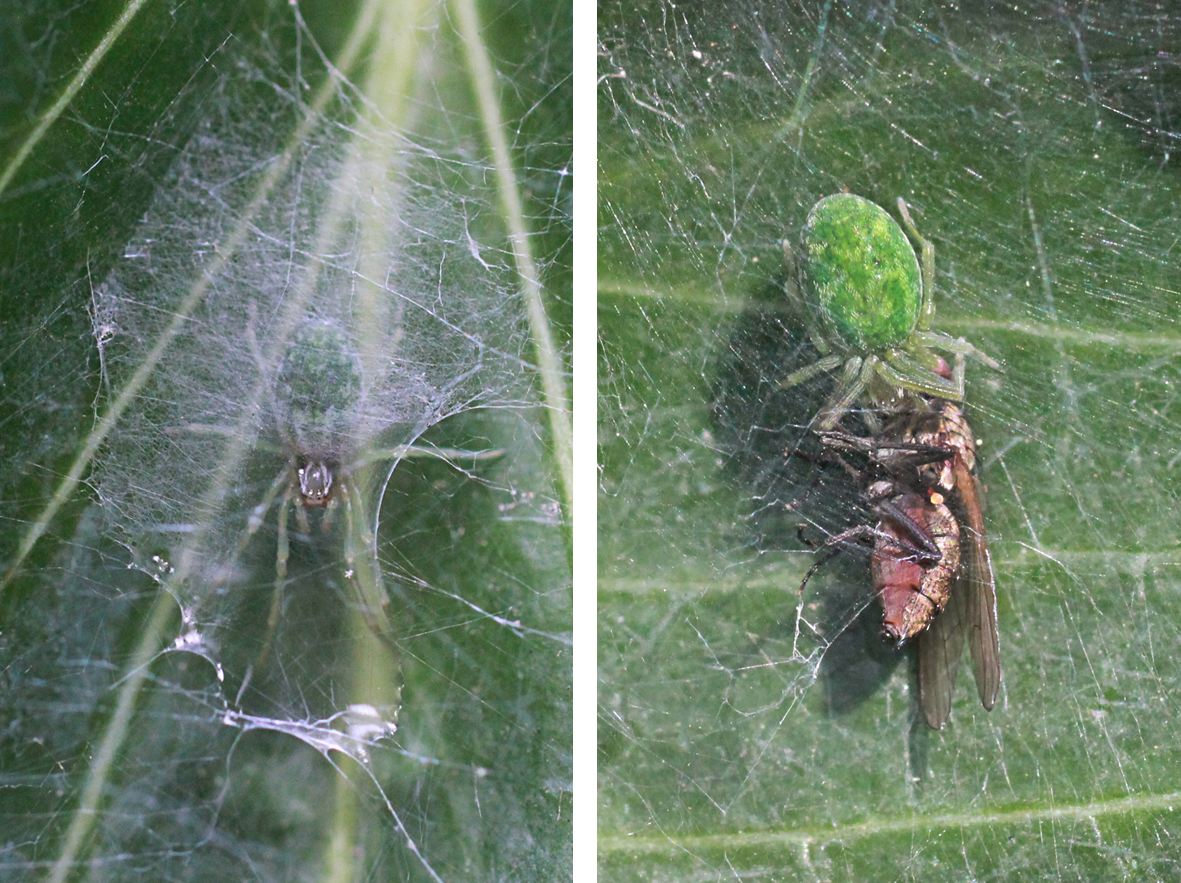
Nigma walckenaeri under web, and with prey

Green leaf web spider under web, and with prey

Another spider has a different tactic. The tiny Green leaf web spider, Nigma walckenaeri, spins a flat, rather untidy web across the top of a leaf and crouches underneath it, rather like a bivouac, shooting out when something triggers a vibration. The spider and its tiny web is virtually invisible against the green of the leaf. This spider punches above its weight in regards to size of prey, regularly catching large flies and hoverflies, and administers a powerful bite to paralyse it.

Nursery web spider with egg sac, and spiderlings in web tent

Nursery web spider with egg sac, and spiderlings in web tent

The large Nursery web spider, Pisaura mirabilis, uses web skills in another way. They do not spin a web to catch prey, instead lie stretched out on leaves and wait for flies and other insects to pass by, then use quick sprinting and strength to overpower them. The female lays her eggs into a silk cocoon which she carries around in her fangs. When her eggs are about to hatch she attaches the sac to a blade of grass and spins an elaborate tent. She releases her spiderlings inside, hence the name ‘nursery web’. The female will stand guard nearby until the spiderlings are old enough to disperse.

“The things nightmares are made of….”

That is the comment my friend Keeley Von Spambot posted on my Facebook status when I stated I was off to check the wasp spider in my park hadn’t been squashed by a football! Wasp. Spider. Two insects that put the wind up most people. In the press recently there have been scare stories about “deadly” false widow spiders, and the killer Asian hornets poised to jump the Channel and kill all our honey bees. False widow spiders are ‘… no more dangerous than eating a peanut. But quite often alarming headlines are used to draw people in.’ Bad press invades. We have no deadly spiders in the UK. The Asian hornet scenario, though, is rather real… even Defra have put out a nationwide warning.

Wasp spider Argiope bruennichi

Wasp spider Argiope bruennichi

Meanwhile… in Warwick Gardens I have found a Wasp spider. One of our prettiest spiders, it arrived in the UK in the 1920s and has slowly established itself in the southern counties. This is the second time I have seen one in the park. There has been a gap of 4 years since the last sighting – hence why I am super-excited! They build large orb webs in grassland and heathland. Our wasp spider has built her web low down in the grass, stretched between a nettle stem and a leaf of green alkanet. Their distinctive web has a wide, white zig-zag strip running down the middle, known as a ‘stabilimentum‘. Mating is a dangerous game for males; they wait at the edge of the web until the female has moulted into a mature form, then take advantage of her jaws being soft and rush in to mate. However, many males still get eaten during this time. The female attaches her silk egg-sacs to the grasses.

At the weekend the local boys come out to play football in the park, dangerously near to where the wasp spider sits. I have to hover in the background trying not to draw attention to our little lady hanging tightly onto her web. I couldn’t bear her being squashed by a stray kick…

Life in the silver birch trees

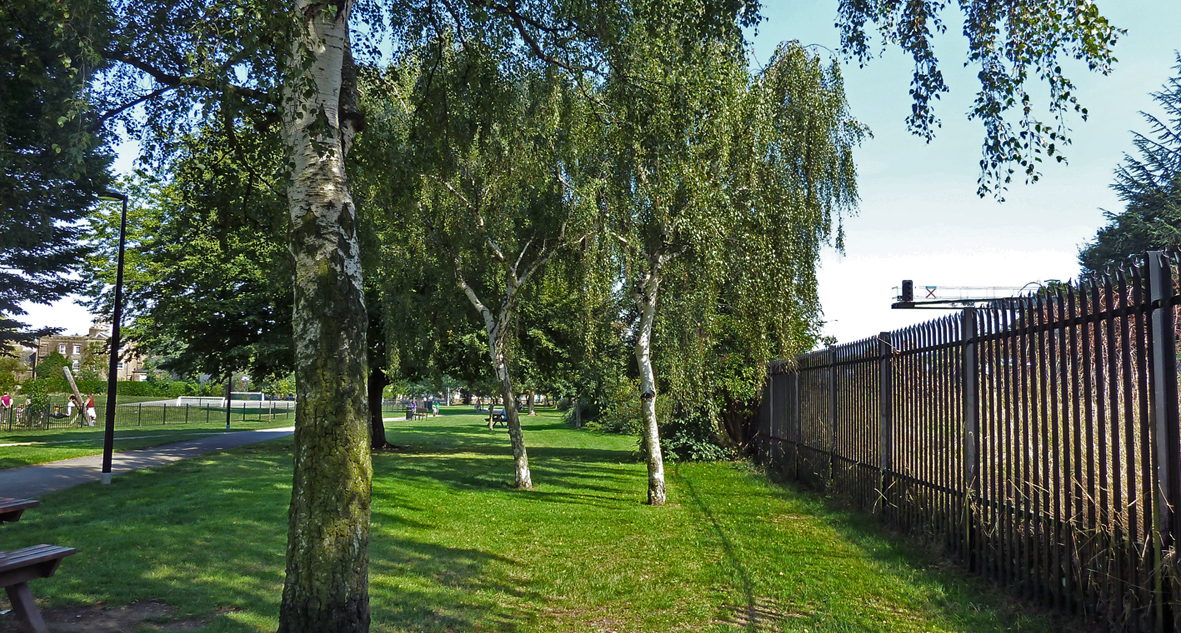
Silver birch trees

Silver birch trees

I love silver birch trees – the white peeling parchment bark, and the long flowing branches thick with catkins are like trusses of beaded hair waving in the wind. Edith Nesbit described them in her poem ‘Child’s Song In Spring‘ as: ‘The silver birch is a dainty lady, She wears a satin gown;’ Poetic indeed. They are the iconic tree of Russia, where the sap is revered as a wholesome elixir that can be taken as a spring tonic and the twigs are used as veniks in Russian banyas. Known as the tree of Venus, the silver birch symbolises love and fertility and in English folklore is said to ward off evil spirits. They are also amazing habitats for invertebrates.

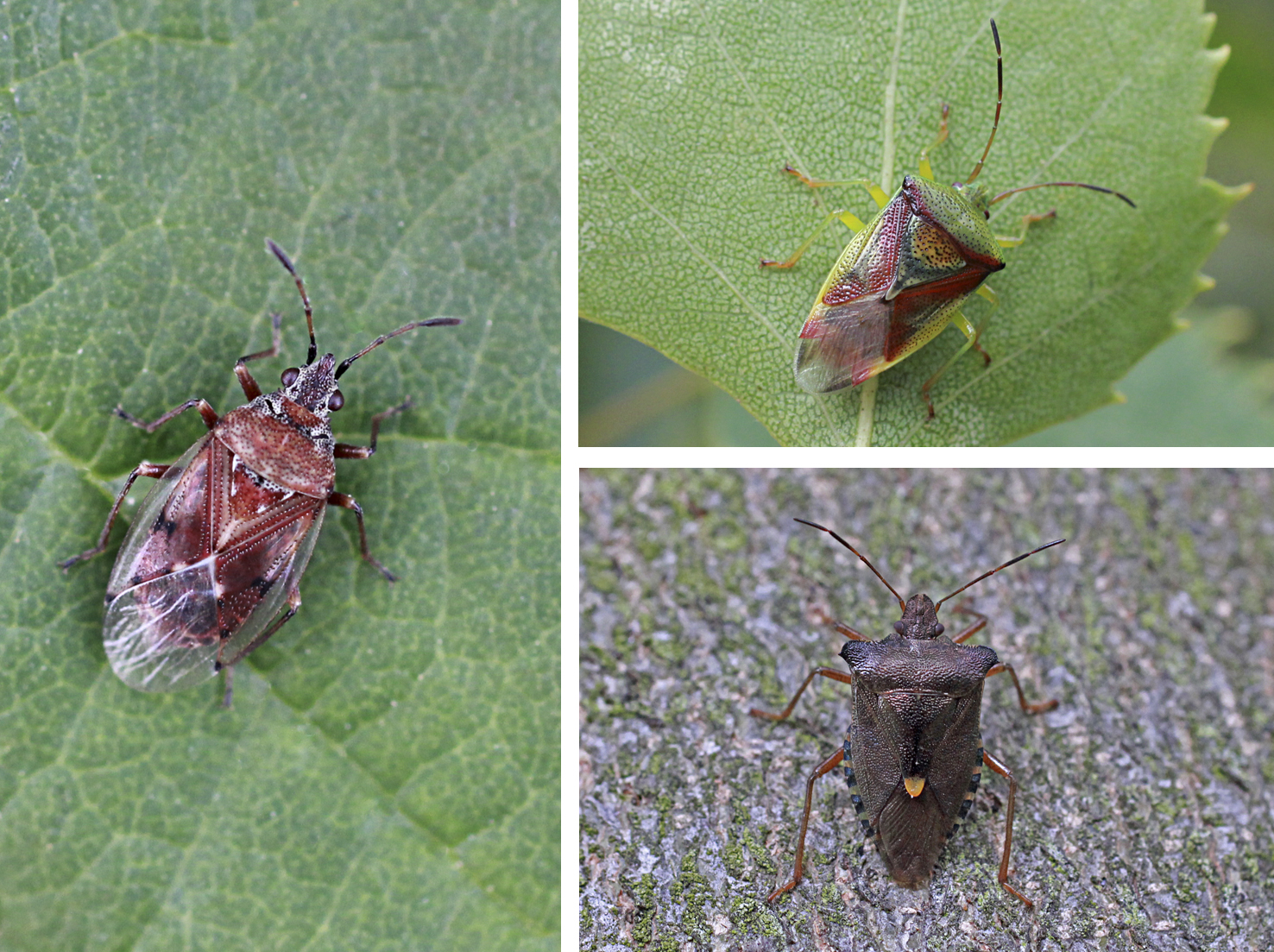
Birch catkin bug, Birch shield bug and Red-legged shield bug

Birch catkin bug, Birch shield bug and Red-legged shield bug

There are four silver birch trees in Warwick Gardens, standing majestically near the railway line and flanked by a hornbeam and a red horse chestnut tree. The distinctive white bark punctuated with lichen clad fissures provide an assault course for insects, complete with nooks and crannies to hide in. Ants run up and down the trunks looking for aphids, deftly sidestepping the red velvet mites, and ladybirds trundle over the bark on the long climb up to a branch junction. There are two bugs that feed on, and lend their name to, the birch tree – the Birch shield bug and the Birch catkin bug. Both are common in Warwick Gardens and can be found chilling out on the catkins or posing on a leaf. Other shield bugs which enjoy living in these trees are Parent bugs and Red-legged shield bugs.

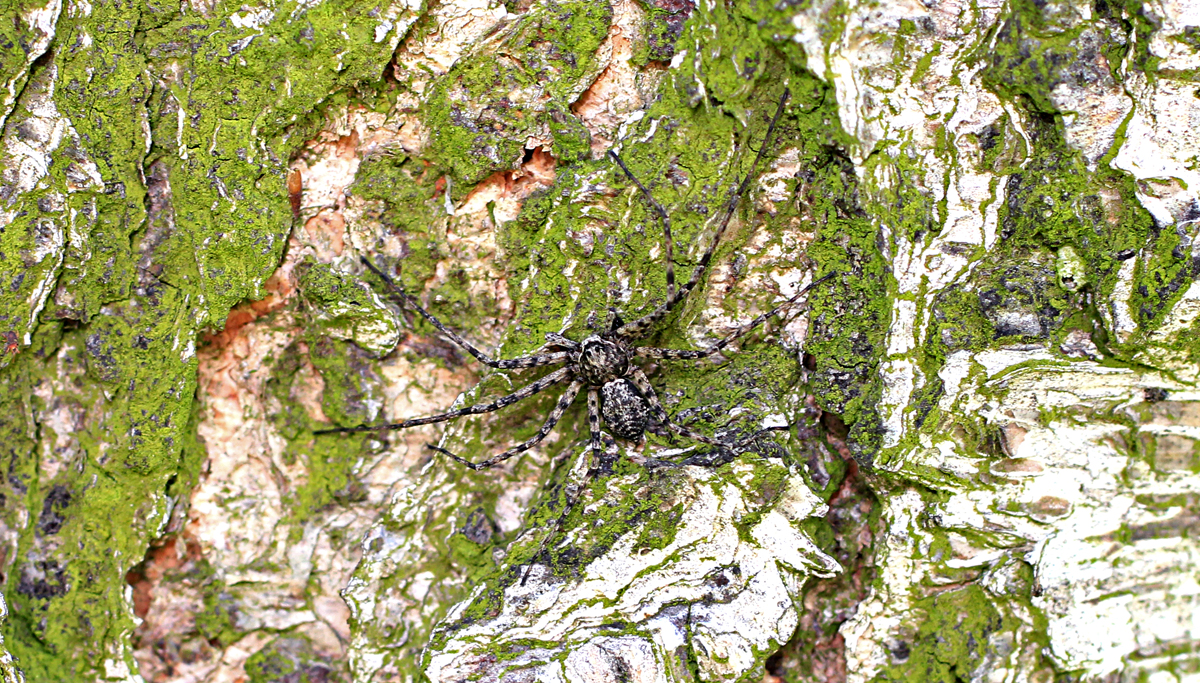
Running crab spider

Lichen running-spider

Evidence of spiders are visible with scanty webs draped across holes in the trunk. Last year something caught my eye when I was walking past a tree – a very camouflaged spider. I just managed to take a photo before it scooted away rather quickly. I uploaded it to Flickr and within minutes had offers of identification by excited arachnologists – a Lichen running-spider Philodromus margaritatus. Now this is a rare sighting of one of these spiders – the last sighting was in the south of England. It feeds on lichen, hence the name, especially that which grows on silver birch trees. The habitat is perfect – our trees are swathed in lichen. As a migrant from Europe chances are it was swept into Peckham by a passing train. I was asked to catch a live specimen to send to the British Arachnological Society for formal identification. Unfortunately daily excursions to the park and several night-time trips clad in dark clothes and a head torch armed with a pot, I was unable to find it. So I still don’t know if we have a rare spider in the park – but I like to think it is living somewhere in the trees.

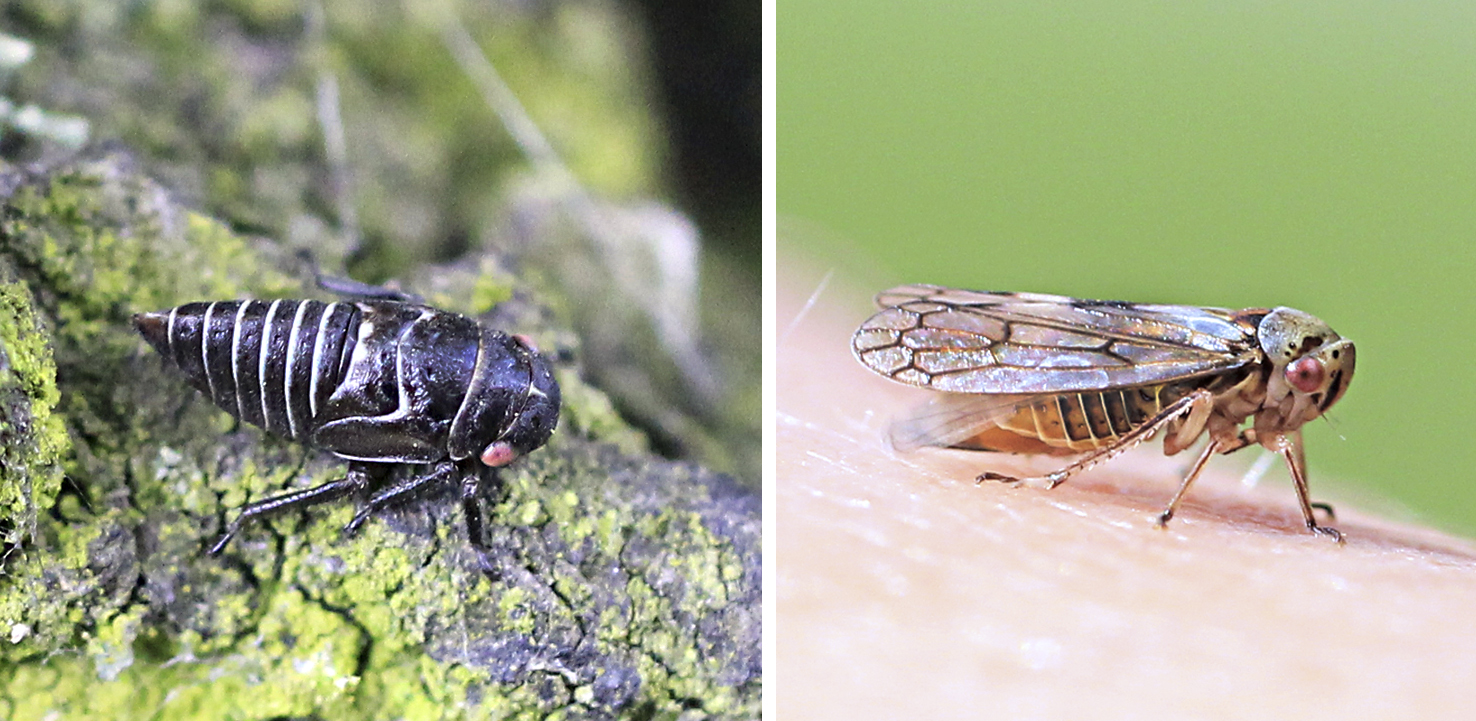
Oncopsis flavicollis nymph and adult

Oncopsis flavicollis nymph and adult

The Buff-tip moth (though yet to be seen in Warwick Gardens) is a classic example of an insect using camouflage to blend into its environment as it looks identical to a twig of the silver birch tree. The leafhopper Oncopsis flavicollis can be found amongst the leaves and another invertebrate using this tree is the Nettle weevil. So next time you pass a silver birch tree it is worth taking a few moments to look closely at it. You never know what you will find.

Yummy mummy

Warwick Gardens is the perfect place for children – it has a safe playground, a dog free zone, and the log seating nestling amongst the long grass makes playtime for small kids seem like a day out in a meadow. A chance for mums to let them run around. Though sometimes I wish they would exercise constraint over their little ones when they run roughshod over the flowers and scattering the grasshoppers! On the other side of the park hanging tightly onto a leaf high up in the silver birch tree, and keeping her young nymphs close to her, is the ultimate mummy – the Parent bug.

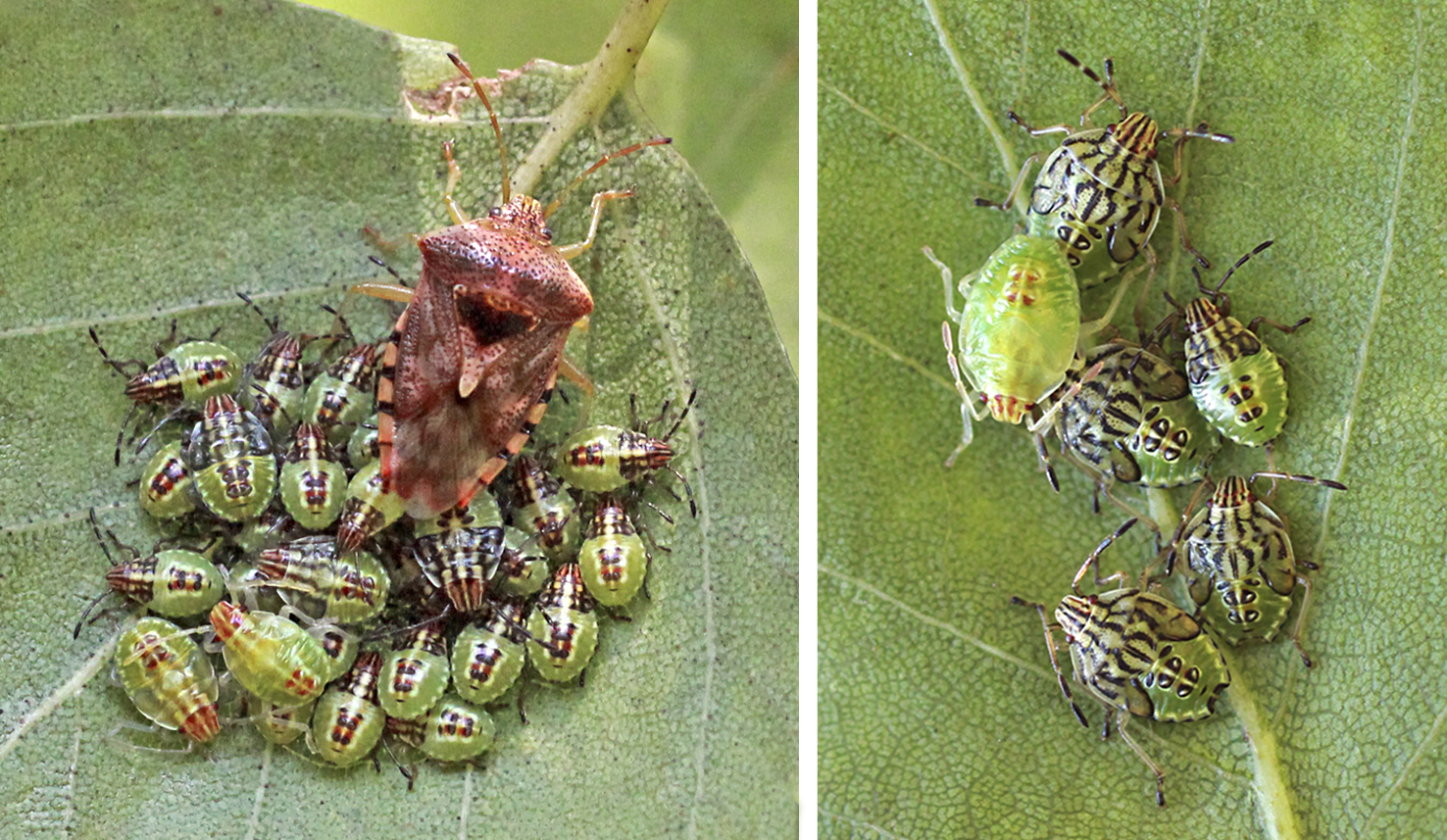
Adult Parent bug, and sitting on her newly hatched nymphs

Adult Parent bug, and sitting on her newly hatched nymphs

Of the ten species of shield bug living in the park the Parent bug has to be one of my favourites. Looking very similar to the Birch shield bug, and sharing the same habitat, the Parent bug can be easily identified on the basis she sits on her eggs. This is very unusual in the bug world. They are reasonably easy to find… it just takes a keen eye and a thorough search through the leaves of the Silver birch tree. These trees have long flowing branches and in high winds wave around quite fiercely. Our bug lays her eggs in a tight cluster on the underside of a birch leaf and hangs on, bearing the brunt of the English weather. She then broods her clutch, sitting protectively over the eggs until they hatch.

Brooding her 2nd and 3rd instar nymphs, and 4th and 5th instar nymphs

Brooding her 2nd and 3rd instar nymphs, and 4th and 5th instar nymphs

Like all good mums the female Parent bug looks after her family until the young finally become adults. As with all bugs, shield bugs undergo an ‘incomplete metamorphosis’ which means they do not possess larval and pupal stages. The adults develop from several stages (instars) of nymphs (up to five) through successive moultings. Nymphs resemble the adults except for size and the absence of wings and they usually have different colouration or patterns. They feed on the sap of leaves.

Update 2nd October

Parent bug nymphs and adults, and a moult

Parent bug nymphs and adults, nymphs on the move and a moult

One month on and I have been watching 6 families of Parent bugs. They are living on separate parts of a silver birch tree branch. I have been fascinated with how they live: bunched together as nymphs as if scared to go out into the wide world, though a few have ventured off and spend their day alone on a leaf. One family insists on walking up a branch to visit a catkin, and later in the day I find them back on the leaf they started from. I have witnessed the moult into adulthood, the lone parent standing by the final nymph, adults waiting for their kin to moult, even a whole family finally becoming adults but still insisting staying together … but today I went to look and all my families had dispersed. I wish them love and luck – it has been a joy.

House-hunting in Peckham

People are queueing up to live in Peckham as it has become so damn trendy. House prices have rocketed and everyday there is a letter through my door from some unscrupulous estate agent urging me to sell my house as ‘you live in a highly desirable location and we have a long waiting-list of people wanting to live in your street’. Tough, I ain’t going nowhere!

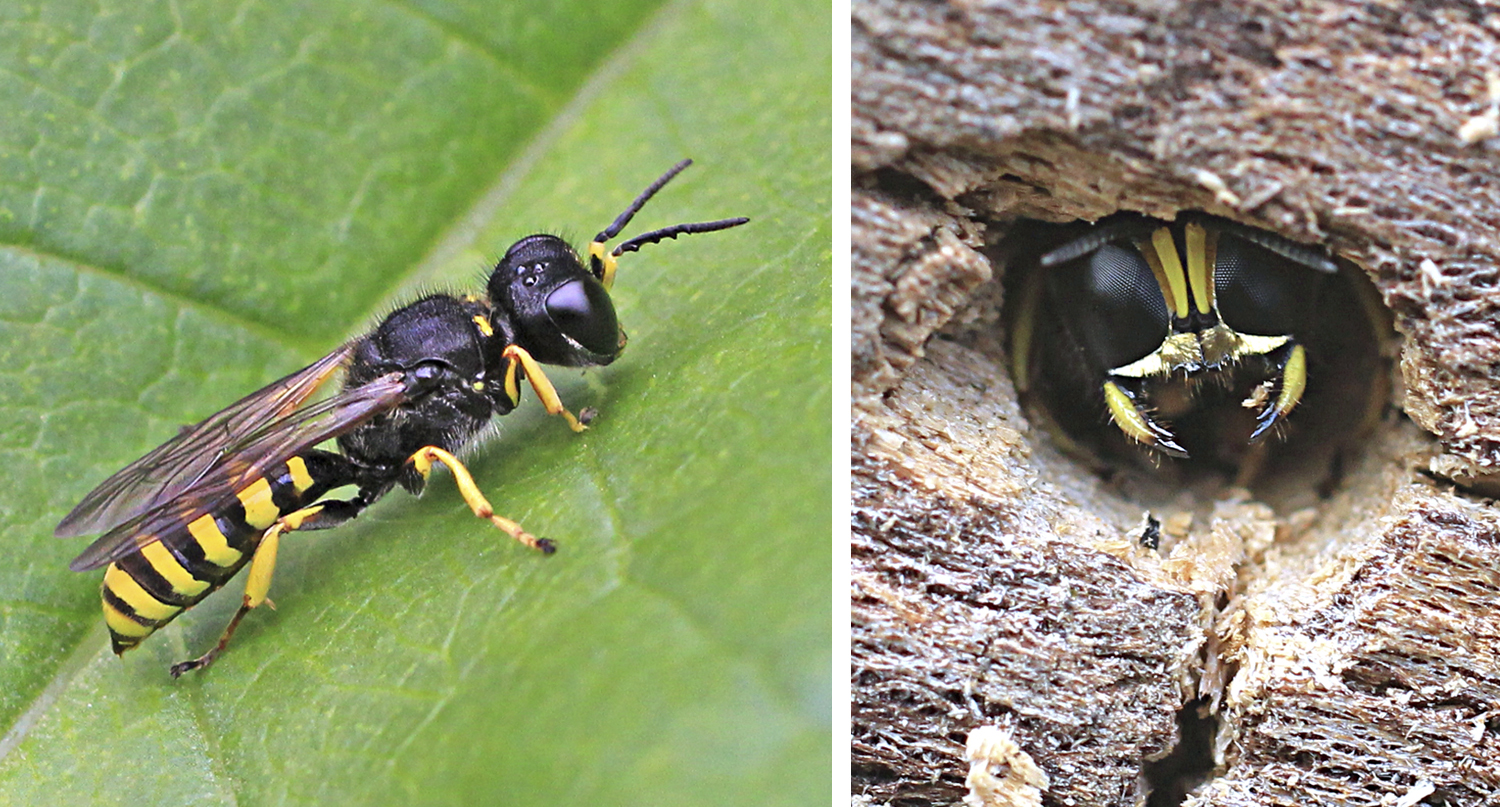
Ectemnius cephalotes out hunting and in her tunnel

Ectemnius cephalotes out hunting and in the entrance to her tunnel

The digger wasp Ectemnius cephalotes is also house-hunting. Her requirements for the perfect nesting place is an old log, tree stump or timber stack. She is even happy to share with other females. There is a good choice of possible apartments in Warwick Gardens as there are nine large logs used as seating at the top end of the park. These double up as housing estates for various species of insect. Earwigs, woodlice, centipedes, solitary bees and wasps, beetles and spiders all find living here a ‘desirable location’. For the past couple of days our wasp has been scouring two particular logs, checking every nook and cranny for a suitable place to lay her eggs. Although willing to renovate an old nest, these digger wasps are super confident at DIY and will dig holes in the wood with their large jaws to create cavernous tunnels with separate cells for storing prey items.

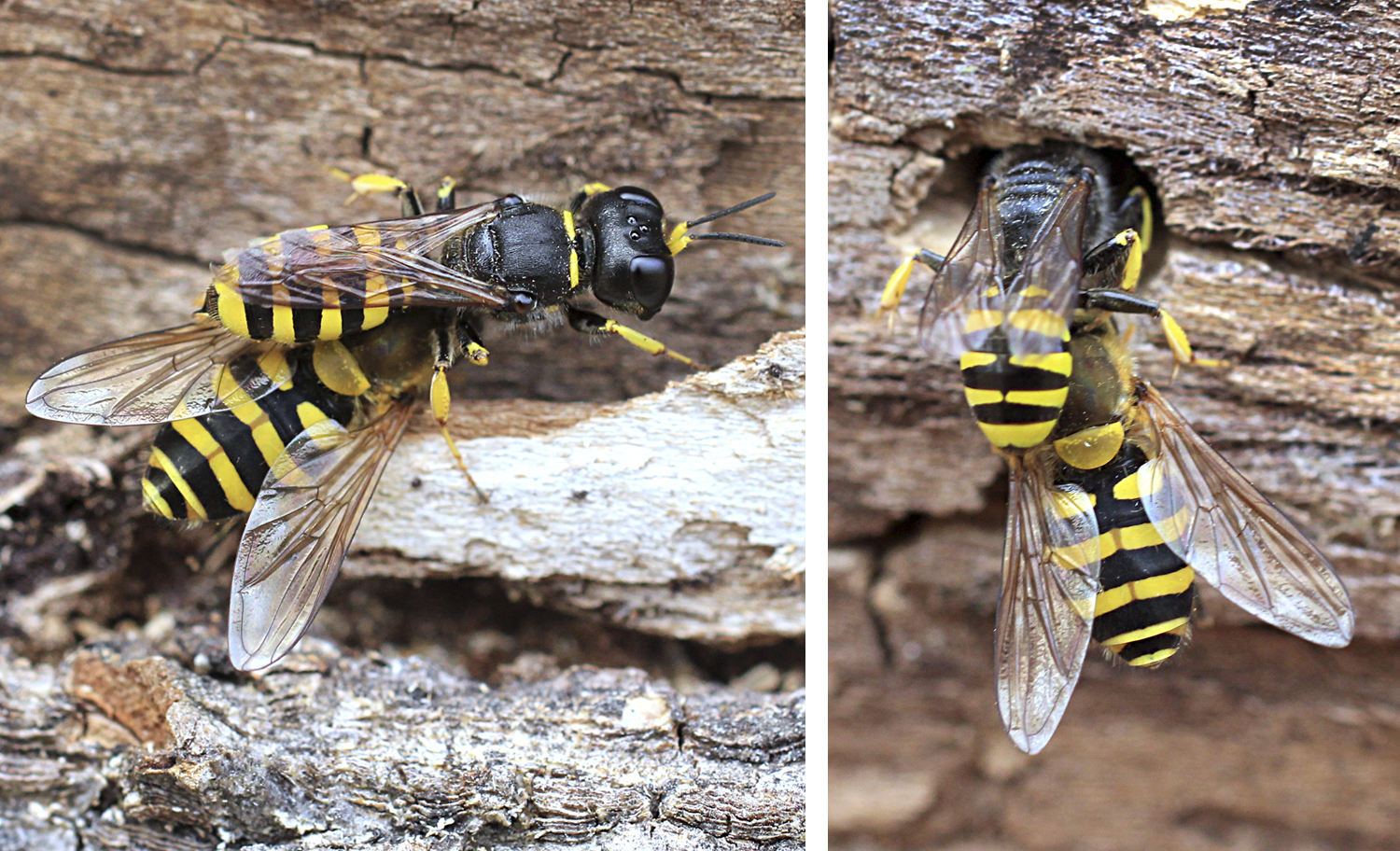
Ectemnius cephalotes with hoverfly Syrphus ribesii, and pulling it into her tunnel

Ectemnius cephalotes catching a hoverfly Syrphus ribesii, and pulling it into her tunnel

Once the wasp has excavated her tunnel and constructed her cells she needs to stock up on food for her larvae to feed on. Ours favours large hoverflies, in particular Syrphus ribesii, which look very similar to her. She will catch them in flight and with supreme dexterity pull them into her tunnel. I was surprised at how quickly this happens and just managed to photograph it! They will be stored in the cells. When her cells are full she will seal up the entrance to the tunnel and lay her eggs. Each cell will have one egg and the larva will have up to 12 flies to feed on. The adult wasps emerge in early summer.

Anyone for bush-crickets?

The park gets rather busy in the summer. Children running around yelling, boys playing football and basketball, the occasional family picnic and people lounging around enjoying the sunshine. Competing to be heard above all the noise are the chirping crickets – that unmistakable sound of summer.

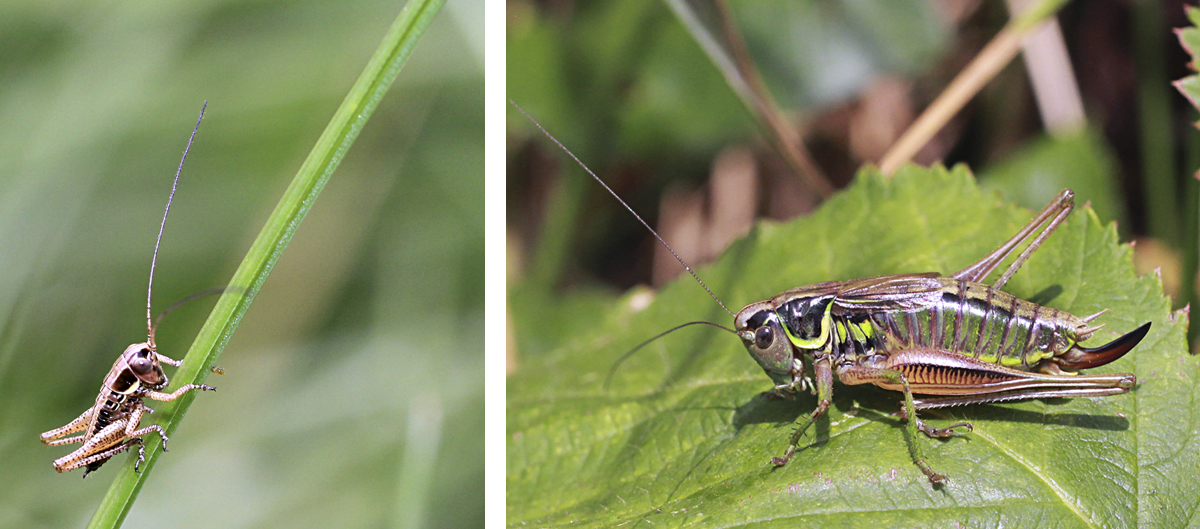
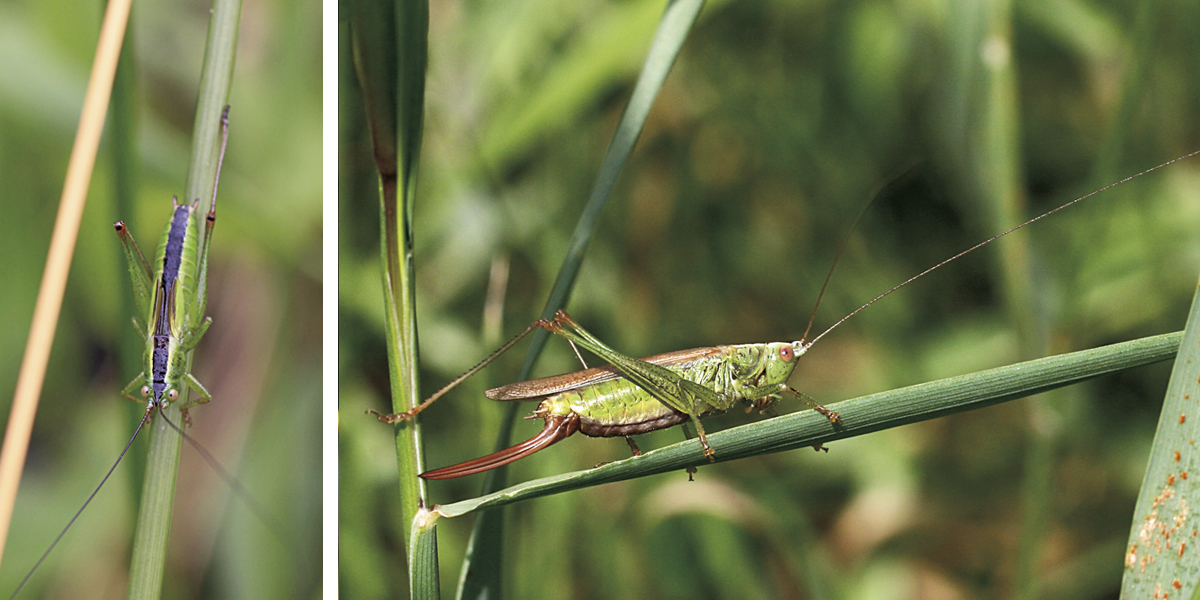
Roesel's bush-cricket nymph and female adult

Roesel’s bush-cricket nymph and female adult

Warwick Gardens is home to four species of bush-cricket. The loudest and most prominent is the Roesel’s bush-cricket. I have a real affection for these having spent much of the year watching them grow from tiny nymphs to majestic adults. They like to hang out in the long grass and are very well disguised making them rather difficult to see. The nymphs are especially cute, emerging in May and only noticeable if you stand still long enough to see this tiny insect hop around, especially after it has just rained. And they can really hop! The male adults start to sing (or stridulate) in July to attract females. Stridulation occurs when the weather is hot and sunny enough to achieve the peak temperature for stridulation. The song is similar to the ‘hiss of overhead electricity wires’. Interestingly the song gets louder when a train passes by the park or when a plane roars overhead. This is the best time to look for them as you can locate them by the sound and looking for the movement of the wings. But you have to be stealth-like as they stop singing altogether if you approach them with a camera!

Speckled bush-cricket nymph and male adult

Speckled bush-cricket nymph and male adult

Another common cricket you can see in the park is the Speckled bush-cricket. These secretive insects usually hang out in the lilac bushes or camouflaged amongst the leaves of the oak tree. I find them very graceful. They are bright green with a speckled body and very long antennae, with the male sporting a brown stripe along his back. They are flightless, relying on their long legs to hop. As with all bush-crickets the the females have broad and upturned ovipositors which they use to cut open plant stems and lay their eggs, and the nymphs go through several instars before maturity. Compared to the Roesel’s bush-cricket this cricket has a very weak call, their tic-tic only audible with a bat detector. Unlike other cricket species, the female is able to respond to the male’s calls with a weaker call of her own, which attracts the male to her. They feed on leaves and flowers.

Southern oak bush-cricket male adult

Southern oak bush-cricket male adult

The Southern oak bush-cricket is a more unusual cricket to find in Peckham. This is a non-native species having hopped across the Channel in the 90s, probably on the back of a lorry, as it another flightless cricket, or even in a Landrover as a friend texted me a photo of one sitting happily on his dashboard. It has become widespread in southern England and appear as adults in August. As an arboreal species I never seem to find any nymphs as they are tucked under leaves higher up out of my reach. It is carnivorous feeding on small insects. The male does not have a ‘song’ as such, but drums on leaves with its hind legs. Last year the BBC Radio 4 series Saving Species featured an article on the Southern oak bush-cricket and they came to Warwick Gardens, a guaranteed place to find one of these lovely crickets. It was an interesting couple of hours – entomologist Tristan Bantock, who was being interviewed, had to contend with inquisitive children as he swept the bushes, and several retakes as the interviewers microphone was so sensitive it picked up all the background noise of trains, planes and chatter. There was even a chance that we wouldn’t be able to find a specimen, even though I had assured them there was one hiding in the ivy! There was, along with an Orientus ishidae leafhopper…

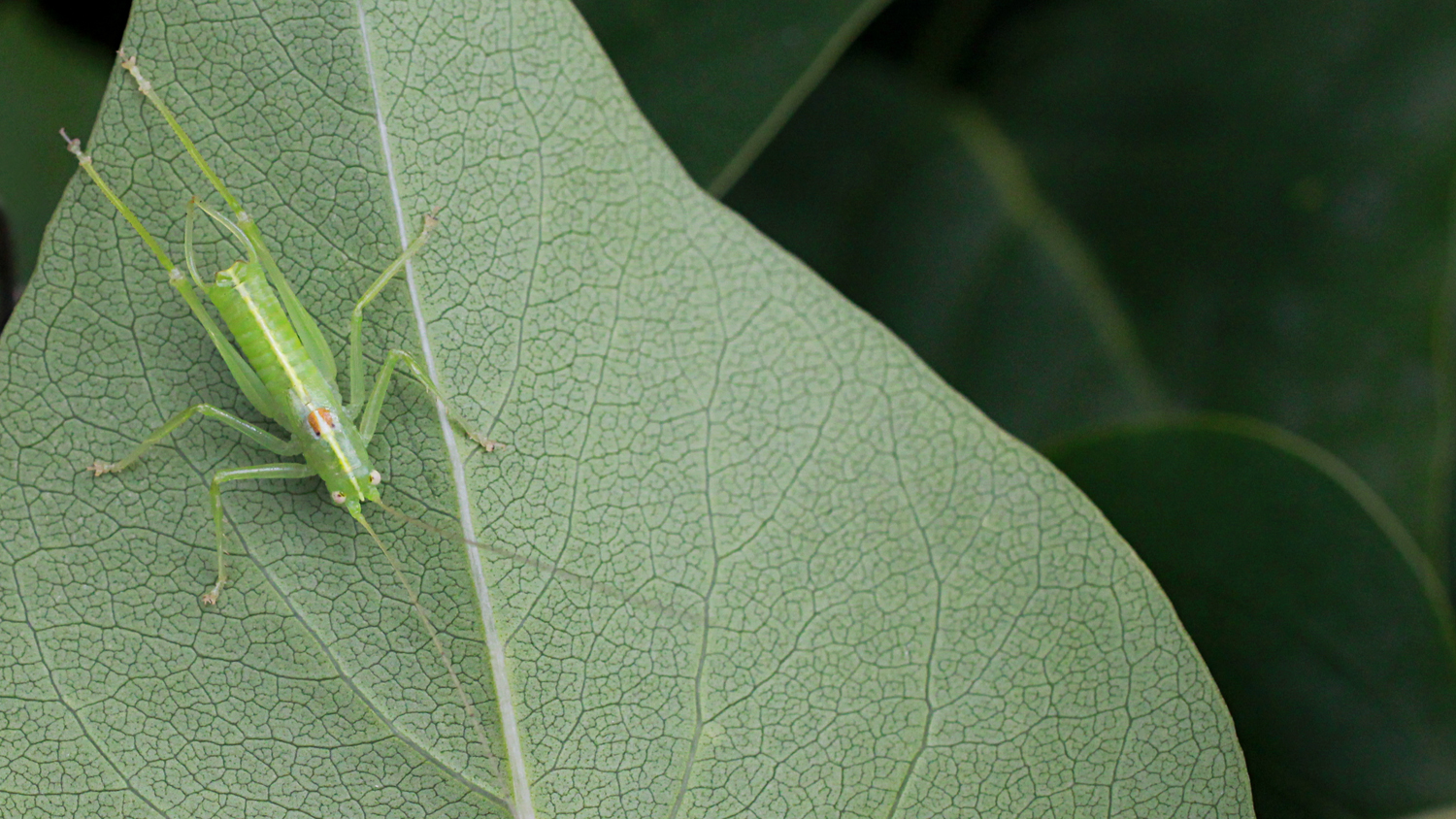
Long-winged conehead nymph and female adult

Long-winged conehead nymph and female adult

Our final cricket has been rather elusive of late. I first found the Long-winged conehead in 2009 but didn’t see it again until this year – they seem to have bounced back as I have recorded five nymphs in the past couple of weeks. The long hot summer and an abundance of tall grass has been the perfect environment for them. Their stridulation is a ‘prolonged rapid chuffing noise inaudible to many’ but audible with a bat detector. Along with the Roesel’s bush-cricket it is omnivorous with a diet of insects and grasses. Two things noticeable about this cricket are the very long antennae and the extended ovipositor on the female. Their main form of locomotion is walking, though their long wings enable them to fly to escape predators.

Stocking the larder

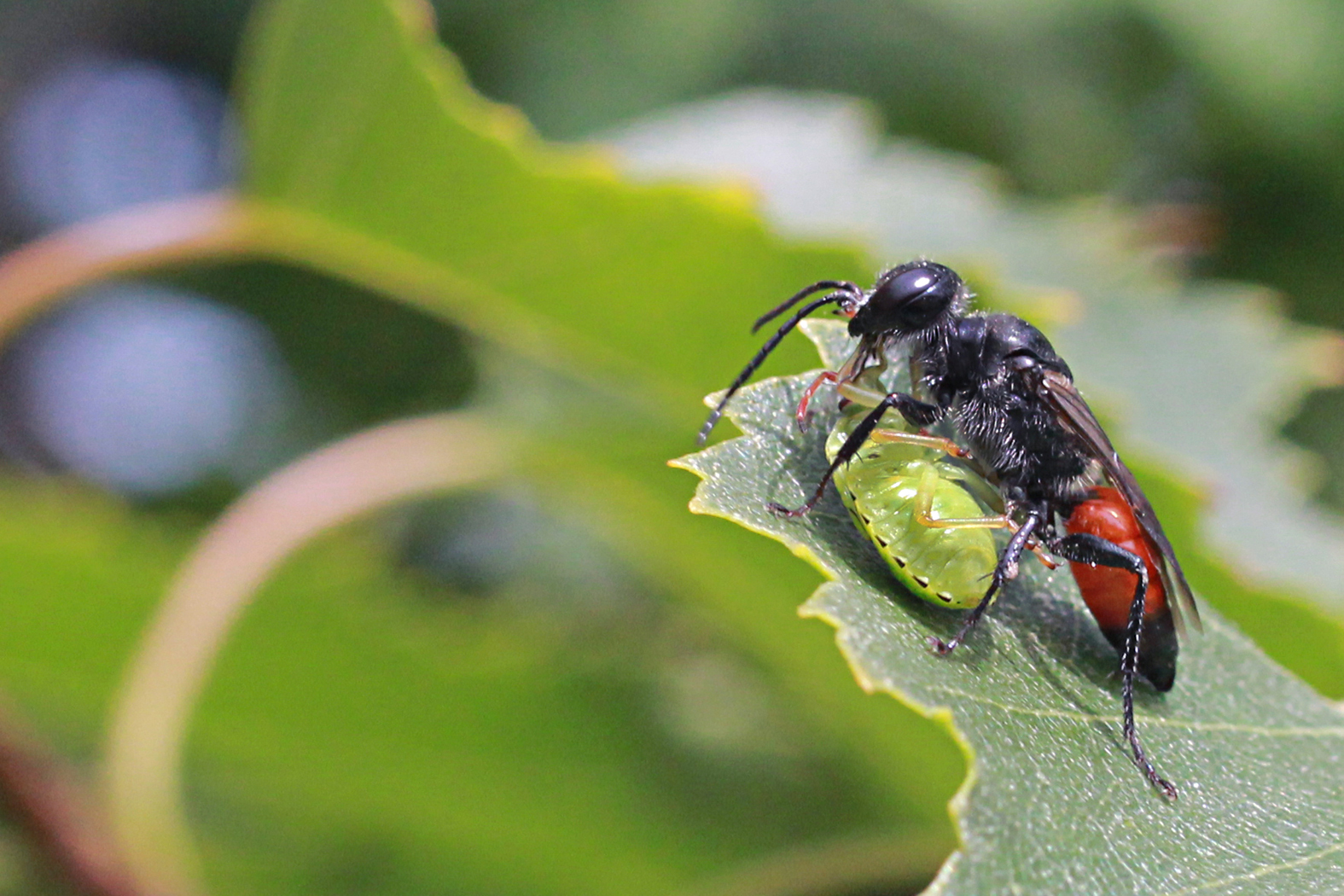
Astata boops

I went blackberry picking in Warwick Gardens this morning. The bushes hang over the fence from one of the gardens and are laden with ripe, succulent fruit. I stewed some in red wine with star anise, cinnamon and a squirt of honey (yum!) and packed the rest away in the freezer for later.

Another creature stocking up her larder was Astata boops, a fine-looking shield bug-hunting wasp. She looked rather happy to have caught a Birch shield bug nymph and was running up and down the birch tree working out a way to carry it back to her nest. These wasps make their nests by burrowing into the ground and building cells. The tunnel can be 10cm long and usually contains two or three cells. Our wasp has her nest near one of the blackberry bushes as she flew off the tree and disappeared into a hole under the grass. The female fills each cell with a shield bug, lays her egg in it and seals up the cell. The entrance to the nest is also sealed and guarded by the male. The larvae feed on the shield bugs over winter and emerge as adult wasps in the spring.

Life and death on the Lesser burdock

The thistles have run out of steam so the pollinators have migrated to the other side of the park to a patch of Lesser burdock. This plant has wandered. Two years ago there was just one small plant and now there are four mighty specimens standing two metres tall. It has some fancy names: burweed, louse-bur, common burdock, button-bur, cuckoo-button and wild rhubarb.

The purple flowers are in bloom and provide nectar and pollen for bees, flies and butterflies, and the large leaves serve as platforms for grasshoppers and earwigs to sun themselves. The bumblebees are loving it and skit between the flower heads. Ants and Picture-wing flies run up and down the stalks. These are interesting little creatures – Richard Jones has written an informative article about them: Picture-wing flies.

 Braconid wasp and mummy cases

Braconid wasp and mummy cases

Yesterday I was wondering about some strange little aphid shells with holes that were attached to one of the stems. Further research identified them as ‘mummy cases’, caused by Braconid wasps. These tiny wasps are beneficial parasitic wasps, as one of their hosts is the aphid. After a female wasp injects her egg into an aphid, the larva slowly devours it. An aphid parasitised in this way is called a mummy. By the time the aphid dies, the fully grown larva has cemented it to the leaf surface and the aphid shell becomes parchment-like or black. The larva pupates inside the mummy, and when fully developed, the adult wasp cuts a hole in the casing and emerges. The empty mummy case, with its hole, remains on the leaf. There are lots of Braconid wasps flying around our Lesser burdock, and understandably not many aphids! 

Fairies in Peckham?

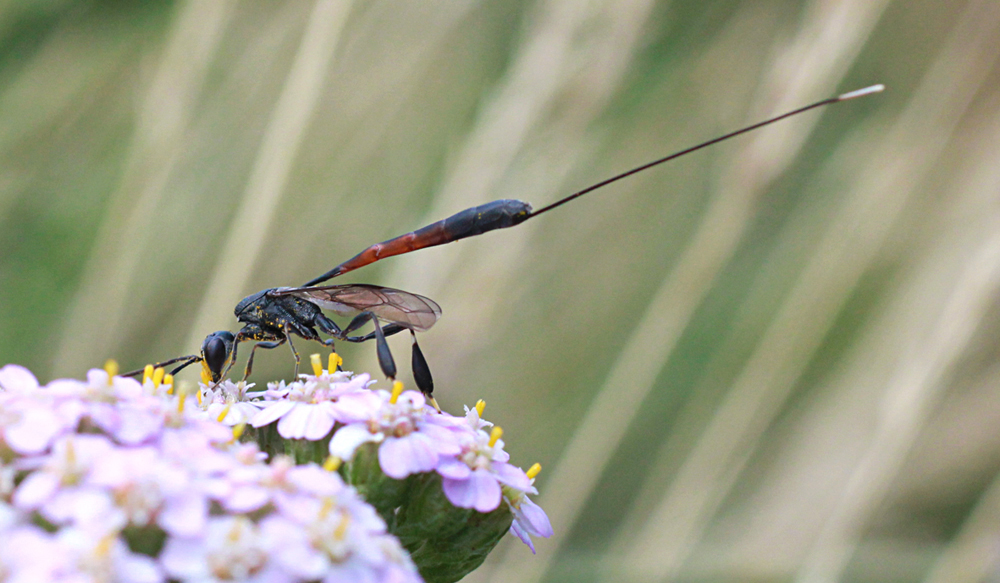
Gasteruption jaculatorOne of the prettiest creatures to visit Warwick Gardens has to be this wasp with the most fantastic name – Gasteruption jaculator. It is a parasitic wasp closely related to the ichneumon wasp, belonging to the Evanioidea family. They daintily dance around the flowers like fairies, stopping to feed on nectar. To us they are good fairies as they pollinate our plants, but to solitary bees and wasps they are BAD fairies!

Easily identified by the extremely long ovipositor, the female visits the nests of various solitary bees or wasps and pushes her ovipositor into the nest, depositing her eggs on or near to the eggs of the host. On hatching the young larvae will devour the grubs and supplies of pollen and nectar of its victim. The adults grow up to 10–17 millimetres.

Fly of the day: Conopid fly

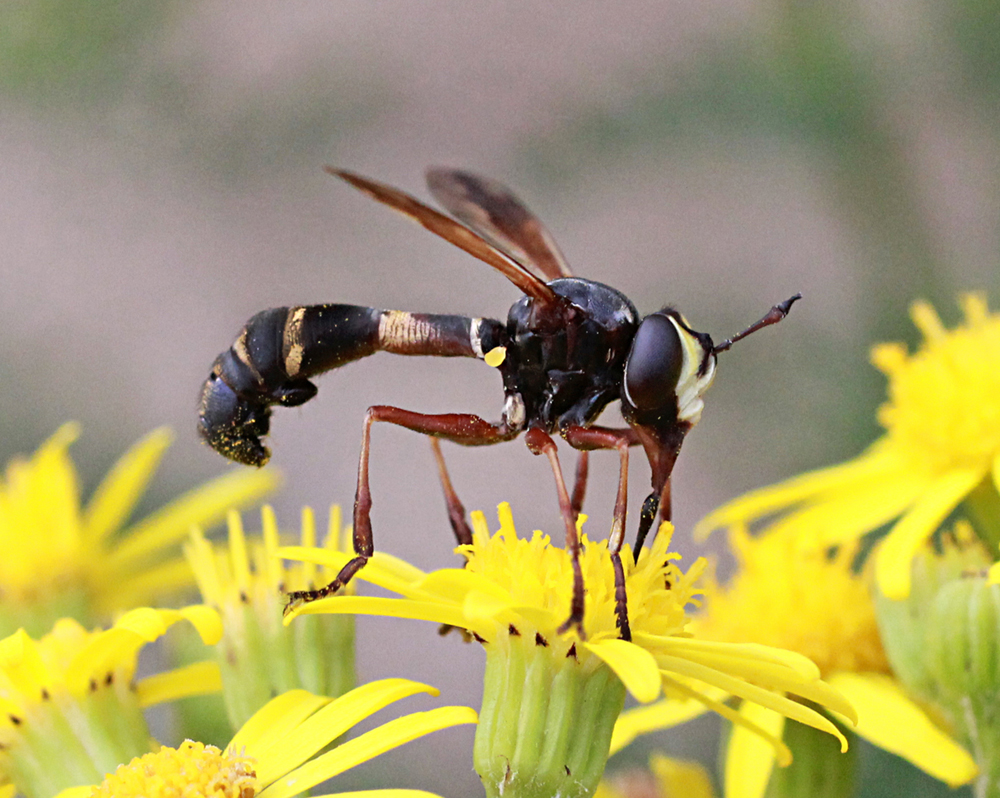
Conopid fly - Physocephala rufipesThe park is looking rather brown after all the recent sun. There are very few flowers apart from yarrow and a scattering of mallow, and the last remnants of thistles have seeded and spewing fluffy spores all over the place. The brambles are heavy with fruit and the hawthorn berries are slowly ripening a deep red colour. But there is a flash of yellow that stands out in the middle of all the brown – ragwort. Its only a small patch, just nine plants, and it is a feast of pollen for flies and bees.

The conopid fly is a regular visitor to this patch. It’s more commonly known as a thick-headed fly and is rather ugly looking. It is a parasitic fly and lays its eggs in bees and wasps. This one – Physocephala rufipes – parasites bumblebeesThe eggs are often inserted by the female fly between the bumblebees’s body segments while in flight, and they hatch out soon afterwards. The larvae eat the bee from the inside.

Peckham leafhopper nymphs

Halfway through the first year of my survey I photographed a leafhopper. As I didn’t know what it was I posted it on Flickr. An excited entomologist, Tristan Bantock, got back to me to say it looked like Orientus ishidae, the first sighting of this species of leafhopper in the UK. It originated in Japan and had made its way to Germany and had been expected to arrive at some point in the UK. He was somewhat astounded that it could be living in Warwick Gardens. My first reaction was “blimey”. I really wasn’t expecting to find something this momentous in my little park. Tristan arranged to visit the park where we found another specimen which he took away to formally identify. The find caused a stir in the leafhopper community and the next two weeks saw a flurry of entomologists visiting the park with sweepnets much to the amusement of the park users. It was even reported in Southwark News – I felt proud I had put Peckham on the entomological map.

Orientus ishidae is a beautiful looking leafhopper with an orange mosaic pattern on the wings. It has now been given the common name Mosaic leafhopper. The railway line that runs along the other side of the park is a possible explanation of how it landed in Peckham, having been swept in by the passing trains. I found a couple more in the following weeks sitting on the lilac. But we didn’t know what the host plant was – what it was feeding on.

Two years later and I am deep amongst the bushes looking for Parent bugs on the birch catkins. Having got used to spying really tiny insects, a strange little dot on the underside of a birch leaf caught my eye. A few snaps with my camera revealed a rather funky looking creature with a red striped body and pink knees. I had a sneaking suspicion I had found the Orientus ishidae nymph. It was cocky – raising itself on its legs and swaying from side to side and squirting a clear liquid from its abdomen in defiance at being disturbed. It was so cute. I fell in love! An email to the leafhopper community confirmed the ID. My leafhopper is breeding and happily living in Peckham. And it looks like we have established it is feeding on birch. I visit them everyday to check they are doing ok and notice they change colour as they grow older – moving from a deep red to a sandy colour but with the same distinguishing markings. Exciting!

Peckham Moth Night #1

Of all the insects I have photographed in Warwick Gardens moths have been sadly lacking in my species count. Most moths are nocturnal. I have photographed daytime fliers –  everything from grass moths, clearwings and the ubiquitous Jersey Tiger moth. I needed to sit in the park at night time with a light which somewhat scared me in the middle of Peckham. The solution was to hold a social event – I advertised a Moth Night. So with help from my friends Lou, who came along with lights and a structure to hold a white sheet, and Simon who allowed a long extension lead from his kitchen, we hunkered down with a crate of beer, some books on moths and a camera, and waited for the skies to darken. The turnout was surprising… about 20 of us humans enjoying a balmy evening, sitting on the logs drinking beer and staring at a white sheet waiting to see what arrived. We initially got the lighting wrong and replaced the white lights with a light used for screen printing. Then all hell broke loose – we were bombarded with everything! Bugs, ladybirds, mosquitoes, flies…. and some moths. The moths were mainly small and spectacularly brown, except for the beautiful yellow Brimstone moth. It was hilarious watching everyone scrabble around trying to catch them in jars. Thanks to Mike, who knew something about moths, we were able to identify a few of our finds and I was adding to my species count. We were also visited by a rather gorgeous leafhopper Ledra aurita, which was so bizarre to look at it had us all laughing, and a funky Acorn weevil popped by to bask in the light. And just as we were packing up at midnight a lovely Broad-bordered yellow underwing landed. Moths rock!

We all had a great time. We all learned something new and we all want to do it again. Peckham Moth Night #2 will happen in September.

Photos from the night can be found here: http://www.flickr.com/photos/pennymetal/sets/72157634898865081/